
How Christa Pike's hair colour could've contributed to her botched execution

Could Christa Pike's hair colour have played a role in her botched execution?
Just a week after the state of Tennessee bungled Pike's lethal injection, 46-year-old Jamaal Howard was put to death in Texas.
Both executions used the same drug, a powerful sedative known as pentobarbital, with just 30 seconds elapsing between the moment Howard was injected and him ceasing to move.
However, in Pike's case, she was still alive over an hour after being given two doses of the drug, with reporters and witnesses in attendance recalling hearing the 50-year-old killer talking, breathing and snoring during the process.
Advert
While Pike isn't the first inmate on death row in Tennessee to undergo a failed lethal injection – Tony Carruthers' was granted a one-year reprieve after staff failed to find a vein – she is the only person to still be alive after being injected with two fatal doses of pentobarbital.
And one medical expert has suggested that Pike's hair colour could've played a role in how her body reacted to the drug.

Speaking to LADbible about the differences between Pike and Howard's executions, Dr Elisha Peterson, a board-certified anesthesiologist in the US, noted that Pike is a natural redhead – and this may have influenced how the medication reacted with her system.
Research has revealed that the overwhelming majority of people with natural red hair have mutations to the MC1R gene, which has also been associated with an increased tolerance to anaesthesia.
"Redhead patients require more medication to fall asleep and stay asleep," Peterson explained, adding that the MC1R gene makes 'certain receptors in the nervous system more resistant to anaesthetic medications'.
Peterson went on to explain that while pentobarbitol is not used in operating theatres, it does have similar properties to propofol, a commonly used form of general anaesthetic, which redheads can require more of to induce sedation.
"The problem with the protocol," Peterson said of state executions, "Is that it does not allow for any variability in the dosing given her physiology."
Peterson also referenced the ongoing suggestion that the pentobarbital injected into Pike went into the soft tissues in her arm rather than the bloodstream.
While an investigation is still ongoing into what exactly caused Pike's execution to fail, various medical experts and her legal team have all suggested a punctured vein or injection into the soft tissue as the most likely scenario for her surviving, pointing to her complaints that a vein in her arm felt like it was 'about to bust' and claims that seven needles were used when finding a vein.
In contrast to Pike, Peterson added that Howard's execution seemed to go as planned, meaning the whole dose of pentobarbital entered his circulatory system.
What happened to Christa Pike after the lethal injection?
While the state of Tennessee has put a temporary pause on all executions, pending an investigation into Pike's case, concerns have been raised over potential long-term health complications.
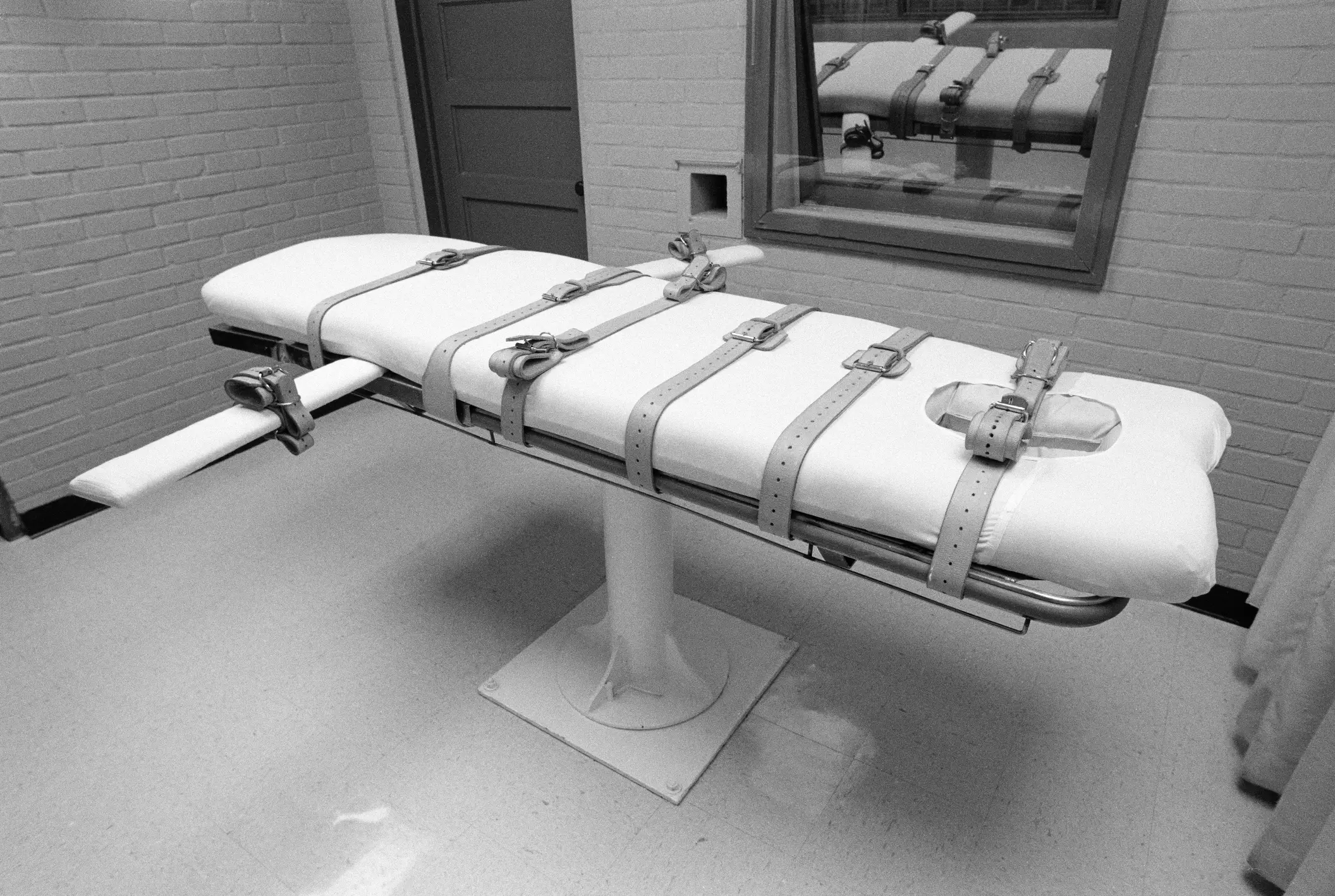
Despite initial concerns that Pike may have suffered from brain damage from the failed execution attempt, recent updates from her legal team revealed that she has since been able to communicate and walk around.
"She does not appear to have any significant neurocognitive effects from the lethal injection attempt," Peterson added.
"[Pentobarbital] should be completely out of her system in 7-10 days."
 Brenna Cooper