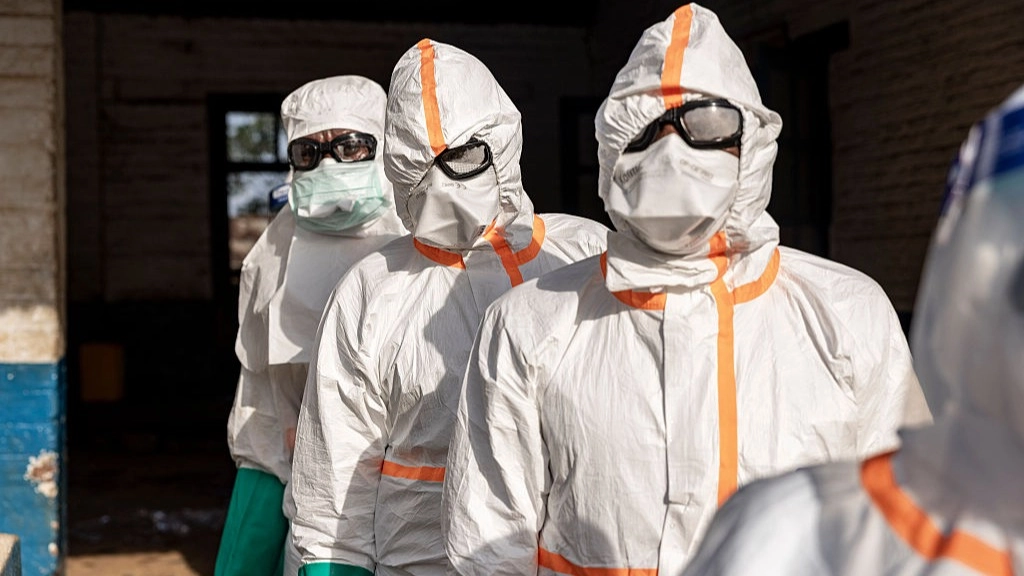
NHS staff and airports told to prepare for UK ebola outbreak

NHS staff are currently having to prepare themselves for a potential influx of UK Ebola cases after it was announced there had been an outbreak in central Africa.
According to the UK Health Security Agency (UKHSA), it’s time to be careful about possible contractions.
In a bid to warn the public of how the disease – which currently has no cure – is spreading, posters have been pasted across airports and stations across the UK.
But as for the health service, according to The Sun, the UKHSA has instructed GPs and hospitals to make sure they have enough personal protective equipment (PPE) in case of having to handle Ebola patients.
Advert
In light of the Democratic Republic of the Congo reporting 60 deaths caused by the illness, and 344 cases, the World Health Organisation (WHO) has named the outbreak a Public Health Emergency of International Concern as neighboring countries like Uganda also claim to have confirmed cases.
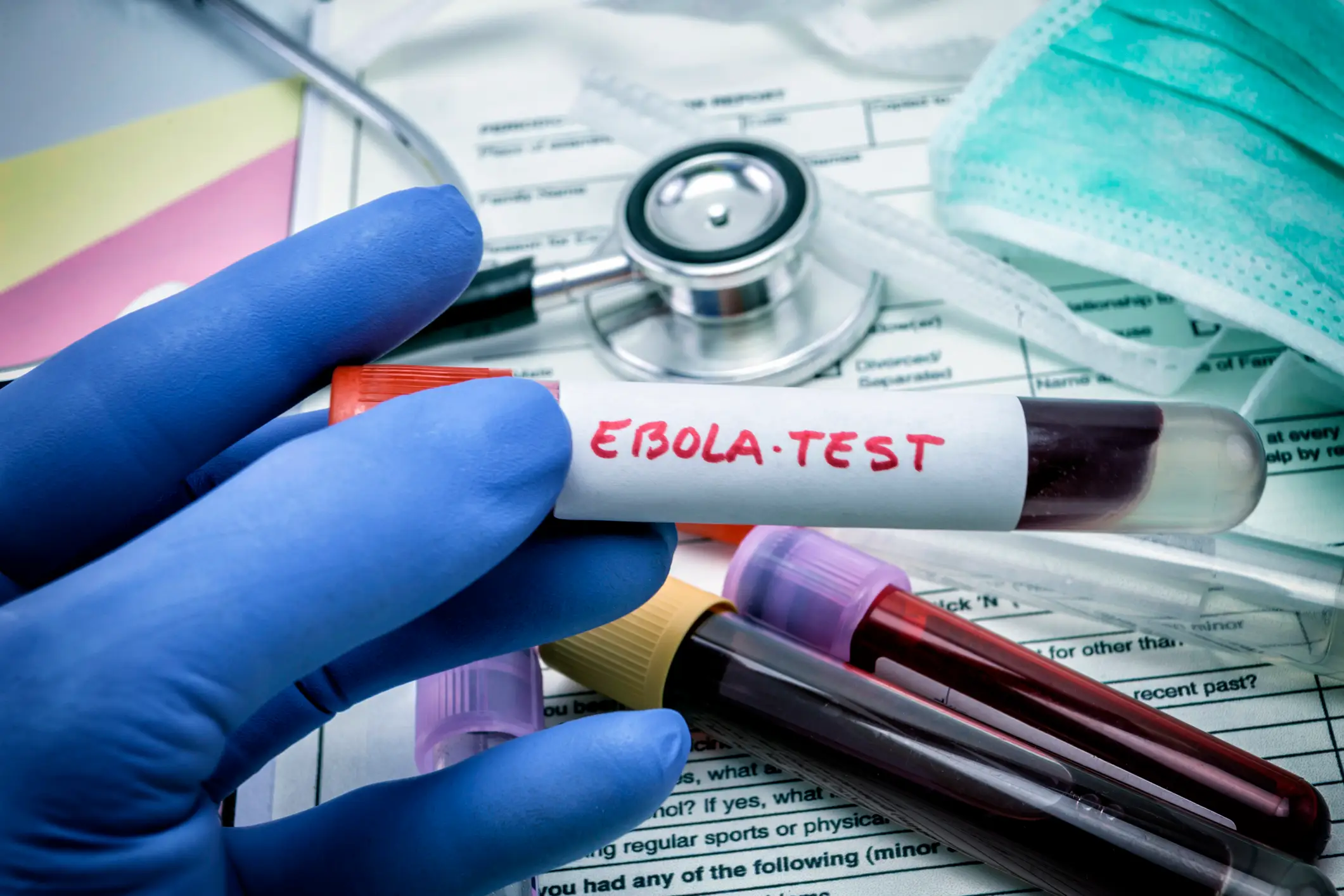
UKHSA’s health alert has warned the NHS to be alert of anyone they see having been to the DRC within 21 days of attending the practice or hospital.
They have also been warned of the potential symptoms of Ebola, such as fever and unexplained bleeding.
According to the UK government, the symptoms of Ebola can be fatal, with common signs including things like a rash, nausea, vomiting, diarrhoea, abdominal pain leading to multi-organ failure, neurological sequelae [neurological after effects] and death.
Internal or external bleeding may occur too, which can then be seen coming out of a patient’s nose, gums, or genitalia, per the NHS.
With a 21-day incubation period, a person may not know they have Ebola until some of the more serious symptoms begin.
According to the alert, if they do show signs, they must be isolated.
“The number of staff in contact with the patient should be restricted and relatives and visitors must not enter the room,” the alert says. “Ensure relevant teams within your organisation are aware of the information in this urgent public health message (UPHM).”
It adds: “This particularly applies to microbiology, virology or infectious disease teams but also infection prevention and control (IPC), urgent care, emergency departments, acute medicine, obstetrics, paediatrics and primary care [GP surgeries].”
Per UKSHA, Ebola is contracted via 'direct contact with blood, secretions or other body fluids of an infected person, or indirect contact with contaminated environments or materials’.
However, it is not thought to have signs of being a ‘natural airborne transmission’.
 Britt Jones