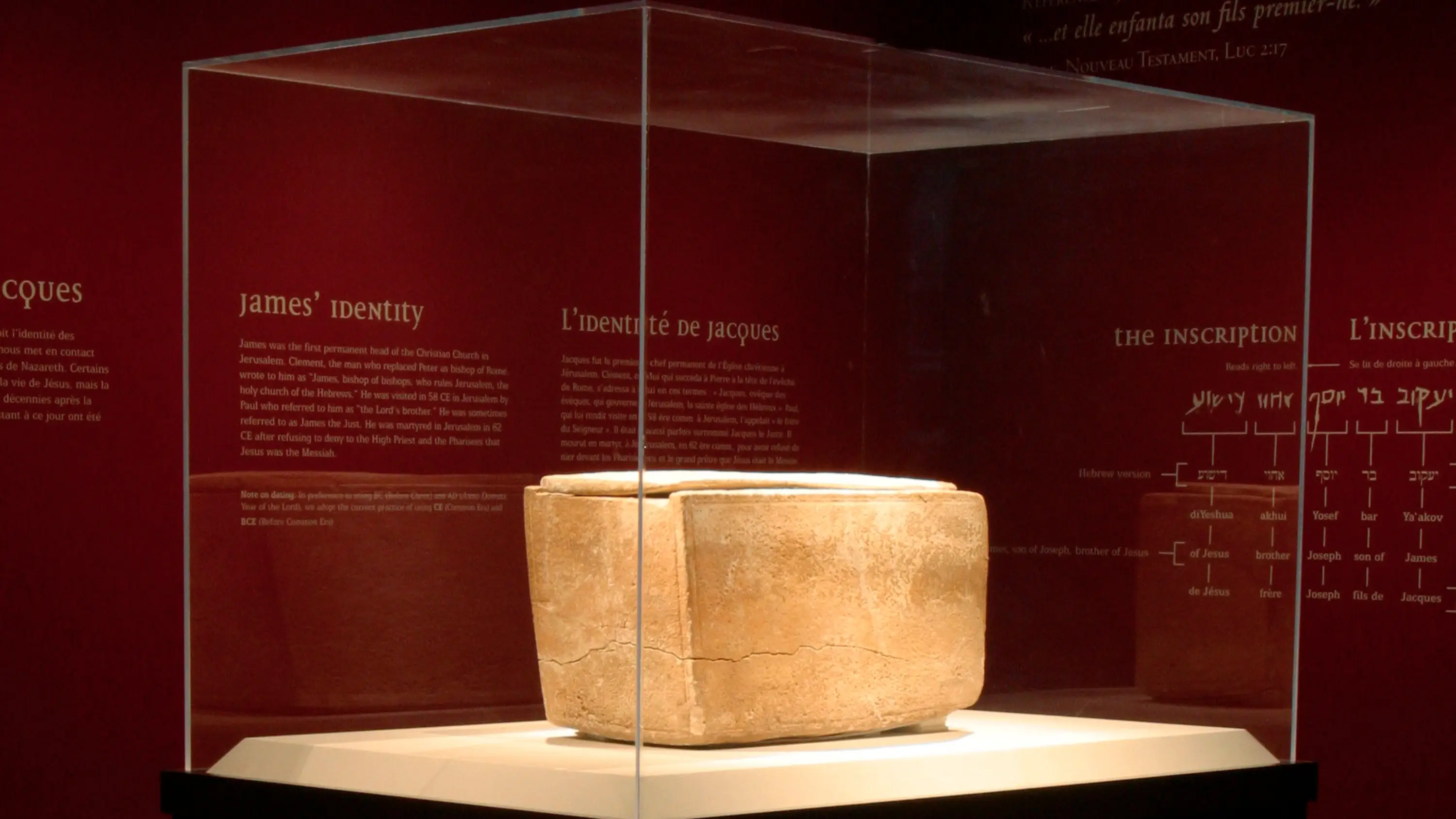
The controversial artefact claimed to be a 'direct connection' to Jesus

A controversial artefact has been at the centre of a forgery scandal, with some claiming that it has a 'direct connection' to Jesus.
The stone box is an ossuary, something which contained the bones of dead people after their initial burial.
Ossuaries were commonly used by Jewish communities living in Jerusalem in the 1st century AD, around when Jesus would have been alive.
It's called the James Ossuary, because of an inscription on the side of it which was both the source of its fame and of controversy and a court case accusing its owner of forgery.
Advert
The inscription is in Hebrew, and translates as 'James, son of Joseph, brother of Jesus', with the combination of names suggesting a potentially revelatory direct connection to Jesus.
Doctrine in the Roman Catholic Church, as well as other Christian denominations, hold that Jesus did not have a brother as in christian belief Joseph is not technically his biological father, and the idea of the Virgin Mary having other children can be a controversial idea for some, for obvious reasons.
Nonetheless, James is mentioned as Jesus' brother in the Gospels and is believed to have been stoned to death in 62AD.
The James Ossuary was announced in 2002, when it was in the ownership of Israeli collector Oded Golan, and was displayed at the Royal Ontario Museum in Toronto.
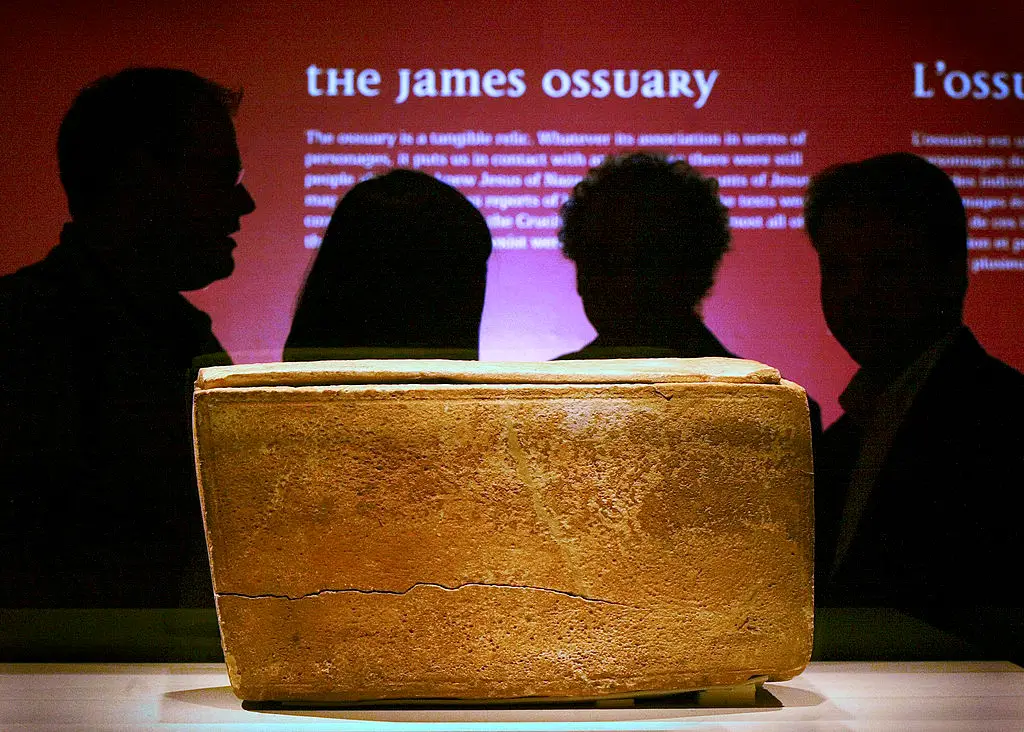
But shortly after its announcement the box became mired in controversy.
Questions began to be asked about the box's authenticity, and Golan was charged with forgery in 2004, in a court case that would drag on for years.
Expert witnesses appeared in court, some raising concerns while others attested to the artefact's authenticity.
Most experts agreed that the box itself is authentic, as there are a number of chemical processes which accumulate over centuries which are evidence of its age, though the Israeli Antiquities Authority has previously claimed it be a fake.
The chemical processes are things like biovermiculation, tiny little holes or dimples in the limestone which are caused by bacteria, as well as patina, a very thin mineral crust on the ossuary's surface which accumulates over a very long period of weathering.
The bigger question in court was around the authenticity of the inscription.
While analysis of the writing revealed that it was consistent with the styles of writing at that time and location, different sections of it were carved at different depths, perhaps suggesting some had been added.
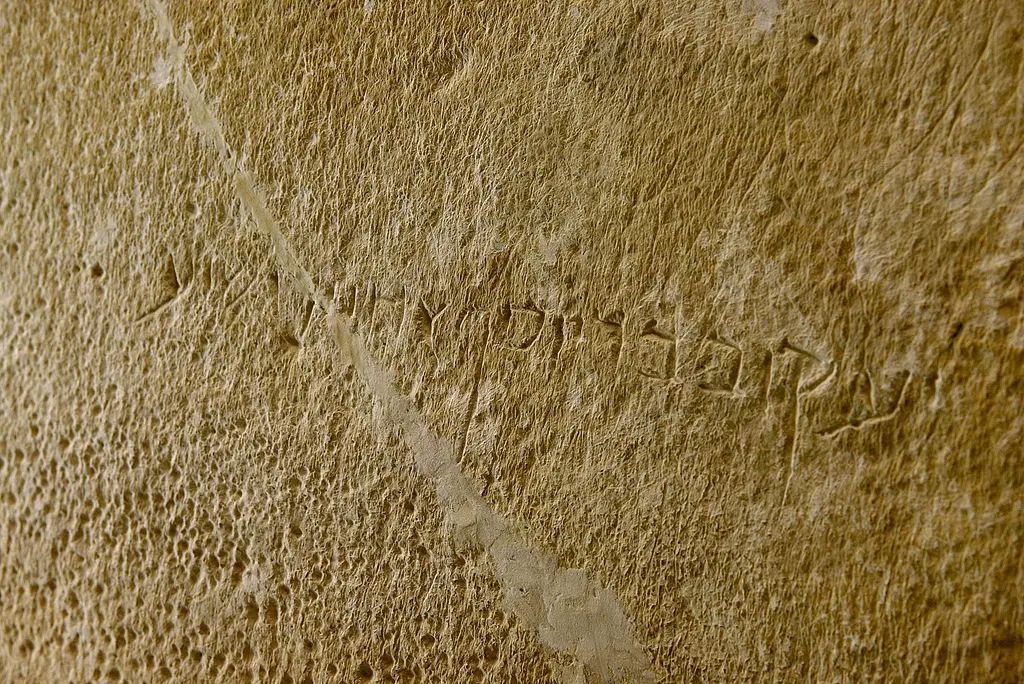
This was particularly prevalent in the section which read 'brother of Jesus', which was shallower than the lettering in the first part.
There was also the question of the box's origin, as it had not come from an archaeological dig, where its authenticity could be properly and formally established at the moment it was found.
Instead, the box had come from the antiquities trade, a shadowy world where ancient artefacts, and forgeries of them, can be traded.
The world of antiquities trading is mired in controversy, including not just the prevalence of forgeries but also the origin of objects which are for sale.
For example, ISIS may be more well-known for their destruction of ancient artefacts, but there was also looting of artefacts by the group from territories they held in Syria, which could then be sold on the black market to raise money.
After a trial lasting years Golan was acquitted of forgery, the BBC reports.
However, the judge presiding over the trial said that while he was not criminally liable, the verdict did not establish the box's authenticity, which remains a topic of controversy.
Topics: World News, History, Religion
 Kit Roberts