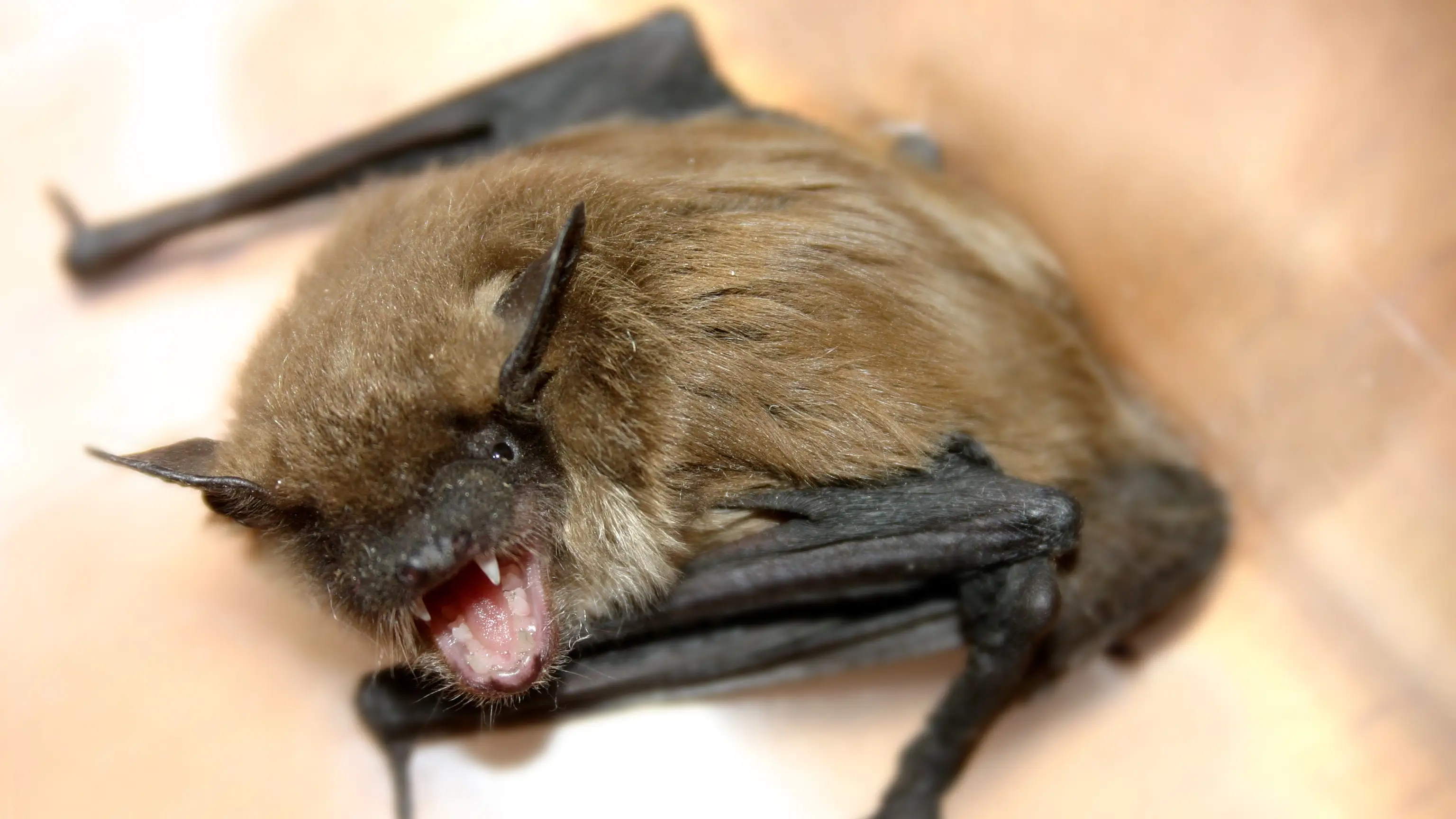
11-year-old boy dies of rabies after waking up with a bat on his face

In the summer of 2024, an 11-year-old boy was staying in a cottage with his family in northern Ontario, Canada, when he woke up to a bat lying on his nose and mouth.
The young lad swatted the creature away and his dad caught it in a pot and released it outside.
With no bite marks or scratches from the animal visible and otherwise acting fine, his parents weren’t immediately concerned about the incident.
However, 19 days later, he began to experience tingling, numbness and swelling on the right side of his face.
Advert
After two weeks of treatment, he was removed from life support and died of rabies, marking the first case in the area since 1967.
His parents had rushed him to urgent care when his symptoms, including frequent vomiting, began. But once the infection takes hold, there is no cure for rabies.
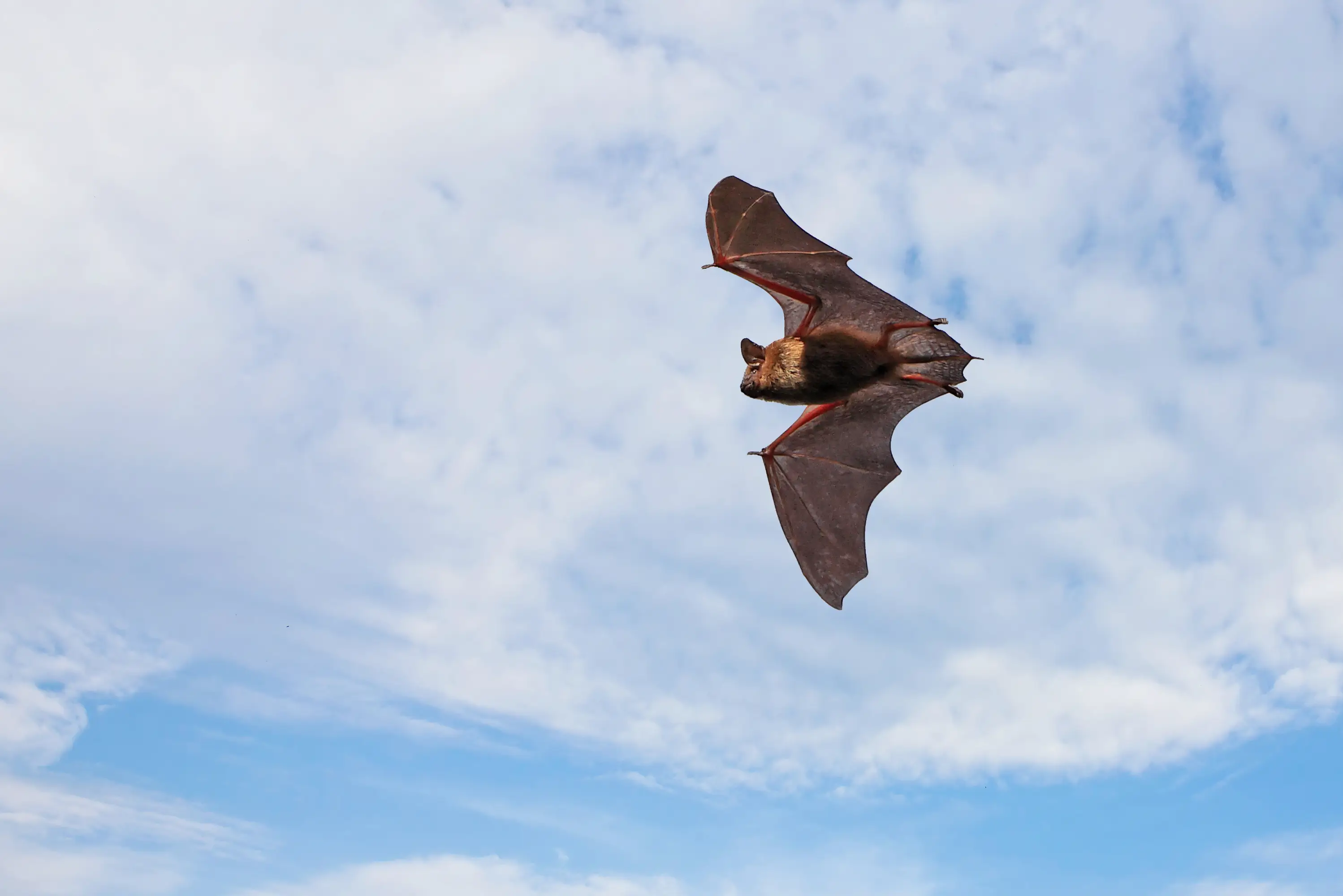
The child’s death has been included in a new study published in the Canadian Medical Association Journal, in part to raise awareness about the potential for transmission of disease from bats.
He was first prescribed an antiviral drug, but his symptoms continued to get worse as his speech slurred, face became weak and he experienced confusion, fever, visual hallucinations and had difficulty swallowing.
When his parents took him back to hospital for treatment the next day, his neurological condition quickly deteriorated and doctors diagnosed him with rabies.
The child was treated for two weeks before he was removed from life support and ‘died peacefully with his family at his bedside’.
'Near universally fatal'
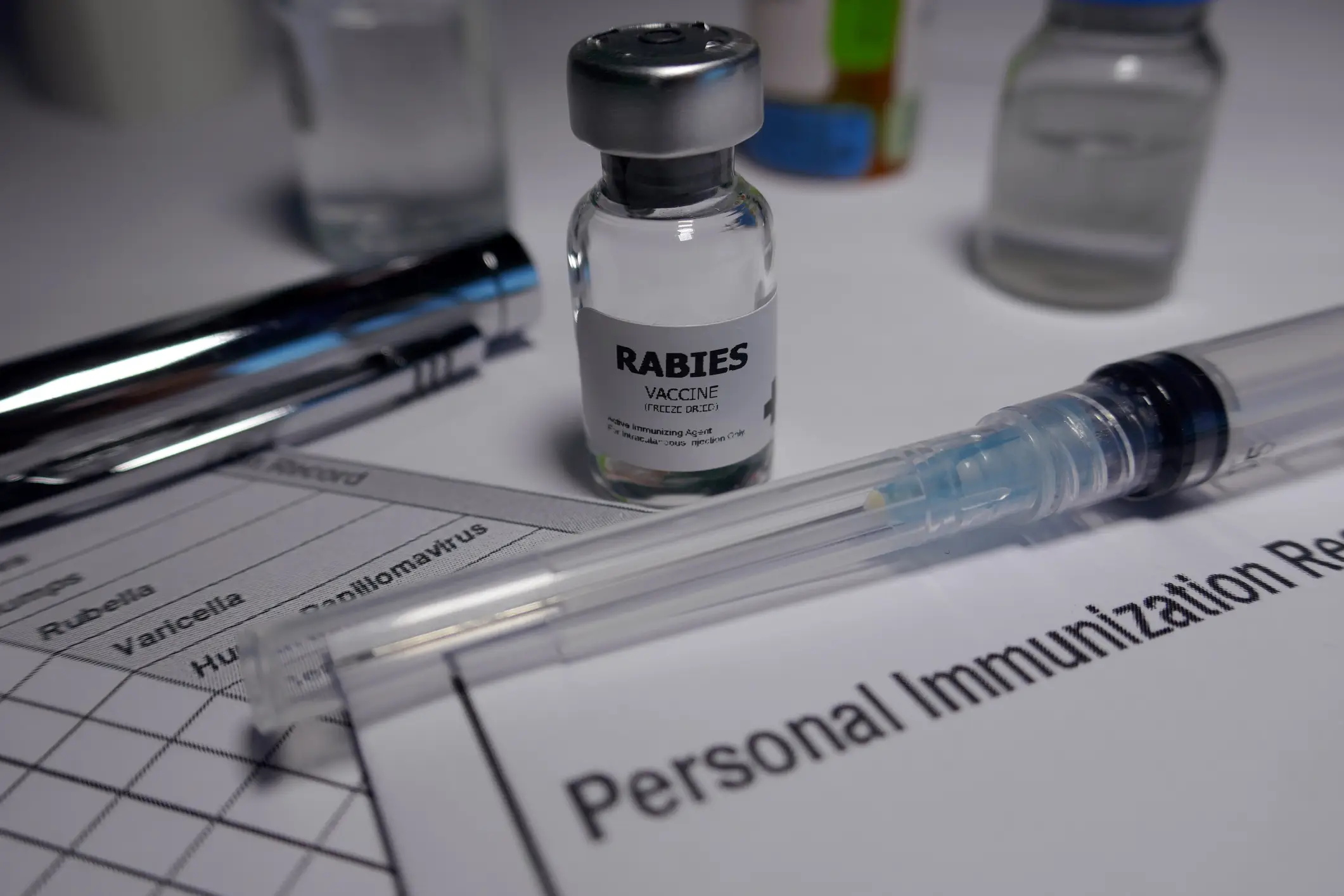
Rabies has quite a long incubation period before symptoms begin to show, meaning that in the days after exposure, the infection can be stopped by a series of vaccines and a dose of antibodies.
“If you get symptomatic rabies infection, it is near universally fatal,” paediatric infectious disease specialist Dr Brian Hummel said.
“But if you get the prevention before symptoms develop, it is near universally successful.”
The rabies virus typically infects the nerves around the site where it entered the body before making its way into the spinal cord and brain.
It is described as an ‘extraordinarily rare infection’ for humans in Canada, with only 28 cases reported there since 1924.
Hummel added: “It was important to us and to the family to take the opportunity to find learning experiences and lessons that we could take from his case to try and help spread awareness and understanding of rabies infection and risks.”
How was the boy infected with rabies despite no visible bite or scratch marks?
Some bats have teeth so small that people can be bitten and not even realise it.
Their saliva can also get onto someone’s skin and make its way into a cut or into the eyes, nose or mouth.
Bats are the primary concern for rabies exposure in Canada, so any physical contact is considered a high risk.
“Any time a bat has touched the human skin, that would be a reason to go and see your health care provider right away,” the specialist said.
The symptoms of rabies
According to the NHS, symptoms of rabies include:
- Numbness or tingling around an area that's been bitten or scratched
- Halluciations
- Feeling anxious or unusually energetic
- Difficulty breathing and swallowing
- Paralysis
Tragically, by the time rabies symptoms develop, the disease is almost always fatal
Topics: Animals
 Jess Battison