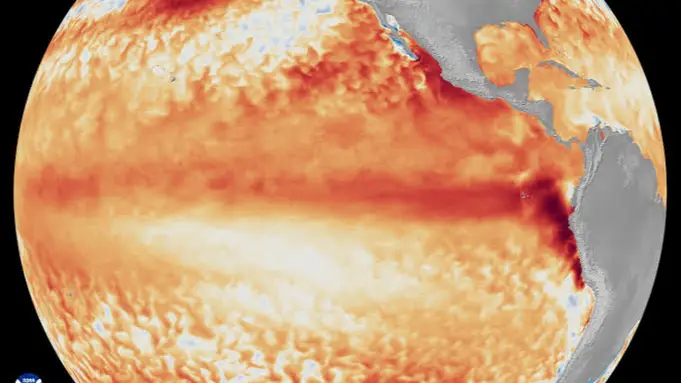
UN warns of total 'devastation' in fresh warning to the world over 'supersized' El Niño

Considering the number of heatwaves we had during the summer, it's hard to believe that Super El Niño hasn't actually started yet, but it's sure to create chaos around the world.
The weather phenomenon, which is expected to be the most intense in decades when it is scheduled to arrive in November, could bring periods of extreme cold and heat, as well as dangerous droughts and torrential rainfall in different parts of the world.
While the UK might avoid some of the more extreme aspects of the Super El Niño, which sadly has nothing to do with Fernando Torres, other parts of the world could experience serious 'disruption and devastation' according to a spokesperson from the World Meteorological Organisation.
WMO Secretary-General Celeste Saulo has warned that this year's edition of the various weather-related catastrophes has 'the potential to deliver a massive blow to communities and economies across the world'.
Advert
She continued: "We are already seeing disruption and devastation from droughts and floods and we expect these impacts to increase as El Niño intensifies. This exceptional El Niño demands exceptional preparation and response."
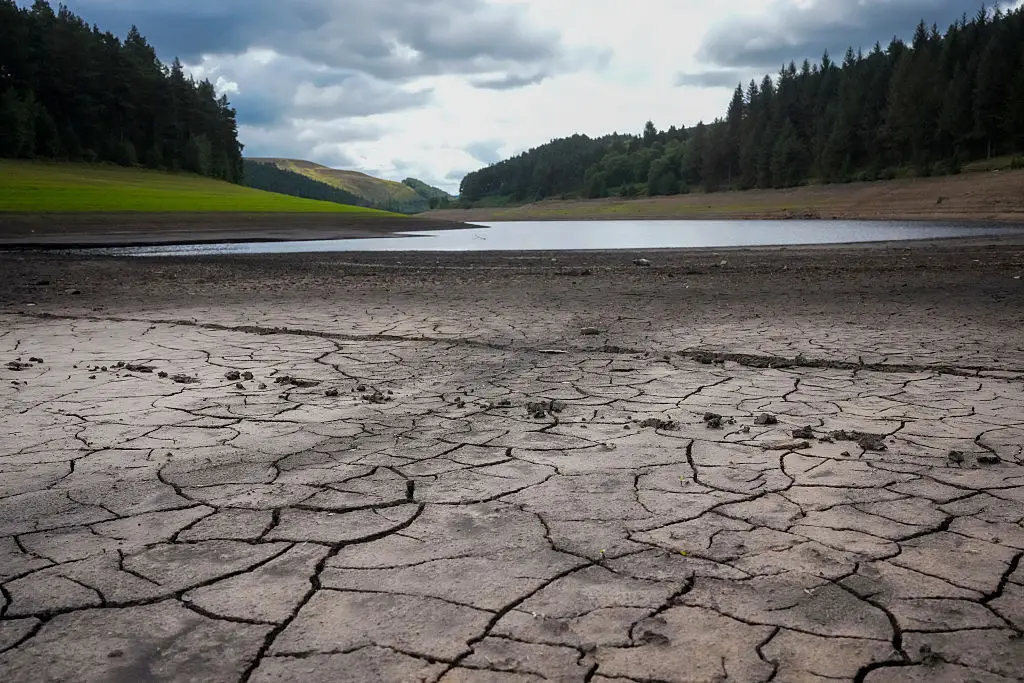
Sadly, it seems as if a lot of areas are drastically underprepared for such serious weather conditions, as we all saw earlier this summer when we all got the emergency phone alert regarding the droughts in the UK.
United Nations Secretary General António Guterres echoed these worrying thoughts in a recent statement, where he suggested that we're in 'uncharted waters'.
He said: "El Niño is being supersized before our eyes. The science leaves no room for doubt: the planet is in uncharted waters, and those waters are heating up.
"Sea surface temperatures are rising, temperatures keep climbing, and the world is in the danger zone of extreme weather. The race now is between rising risks and our commitment to take climate action and protect people. We must win that race.”
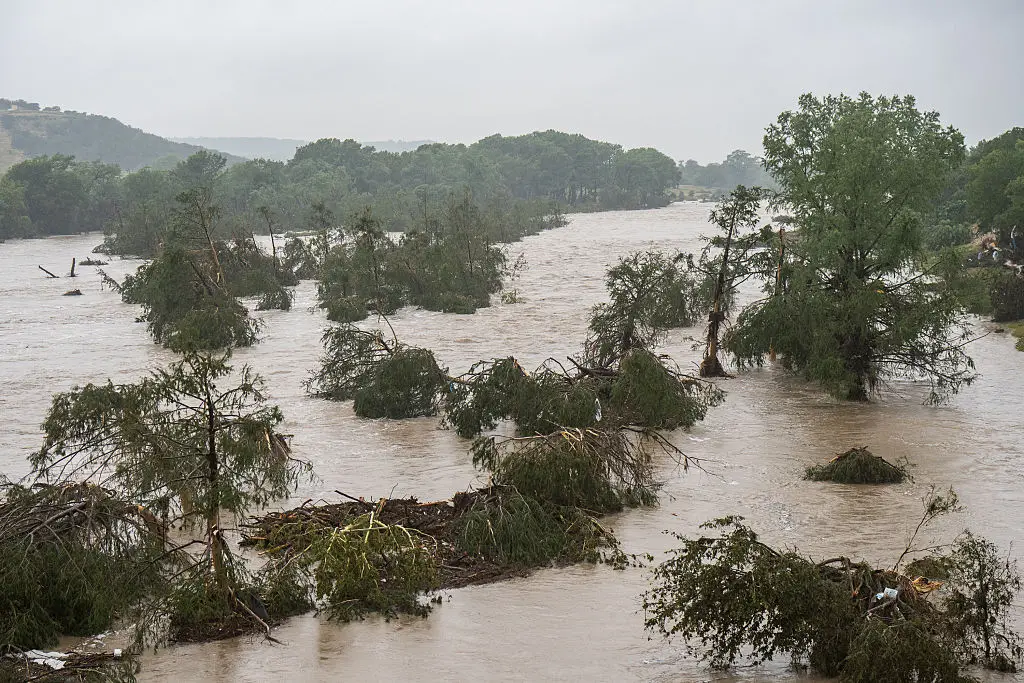
Super El Niño events often result in massively increased rainfall in parts of southern South America, southern areas of the United States, parts of Africa and central Asia, which can lead to widespread flooding.
However, it also causes much drier, hotter conditions in Central America, northern South America, the Caribbean, Australia, Indonesia, and parts of southern Asia, which can cause droughts and wildfires.
While many are quick to dismiss the dangers posed by global warming, it's clear that the planet's increase in temperature is causing issues in more than just the ice caps, and the upcoming weather phenomenon will only emphasise why more needs to be done to combat climate change.
Other than the serious risk to life that people in the most heavily impacted areas will experience due to floods and droughts, there is also the knock on effect to food supplies and marine life which could pose another significant issue.
Topics: Global Warming, Environment, World News
 James Moorhouse