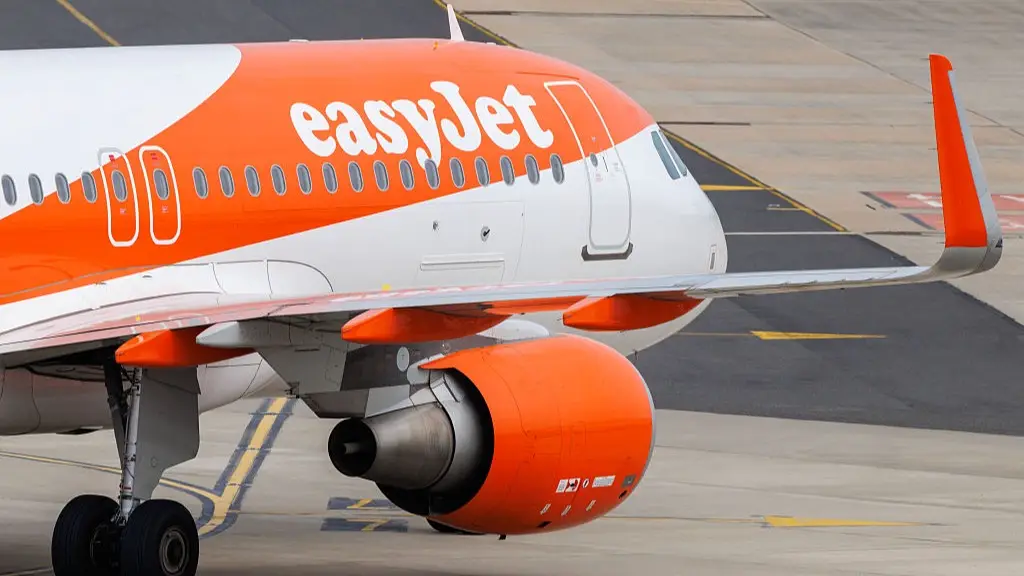
Easyjet and Ryanair have no jet fuel shortage worry - but seven airlines have folded since crisis began

Holidaymakers in the UK are entering a season of uncertainty, with the ongoing jet fuel shortages throwing doubt on plans to take to the skies.
Over 13,000 flights have been cancelled so far for the entire month of May, which follows an already turbulent few months in the aftermath of the US-Iran war beginning - a consequence of which has seen the Strait of Hormuz, and subsequently a major supply of oil, blocked.
The price of fuel has risen dramatically since the conflict began in the early spring, initially prompting panic buys at petrol stations in March, and now heavily impacting jet fuel supplies.
Airlines worldwide have lifted the cost of ticket prices for travellers with the cost of flying increasing, while others have been forced to cancel their scheduled flights in a cost-saving exercise, with fuel now 89% higher than February, before the first airstrikes from the US and Israel.
Advert
Despite that strain – and the concern of the shortages continuing, with Brits warned summer travel will see more turmoil if no resolution is found in the Middle East – major UK airlines have reassured consumers of their confidence plans and bookings will not be too heavily impacted.
Ryanair and Easyjet, two of the top three British-based airlines in the world, have both moved to calm fears, with Ryanair chief executive Michael O'Leary claiming "the risk of a supply disruption is receding" and no risk of disruption before the end of June, calling his company “the best insulated, most hedged airline in Europe.”
Easyjet, meanwhile, plans to operate a “full schedule”. CEO Garry Wilson added: “Our operations remain unaffected, so customers can be confident that not only will their holiday go ahead as planned, but there will be no surprise extra payments.”
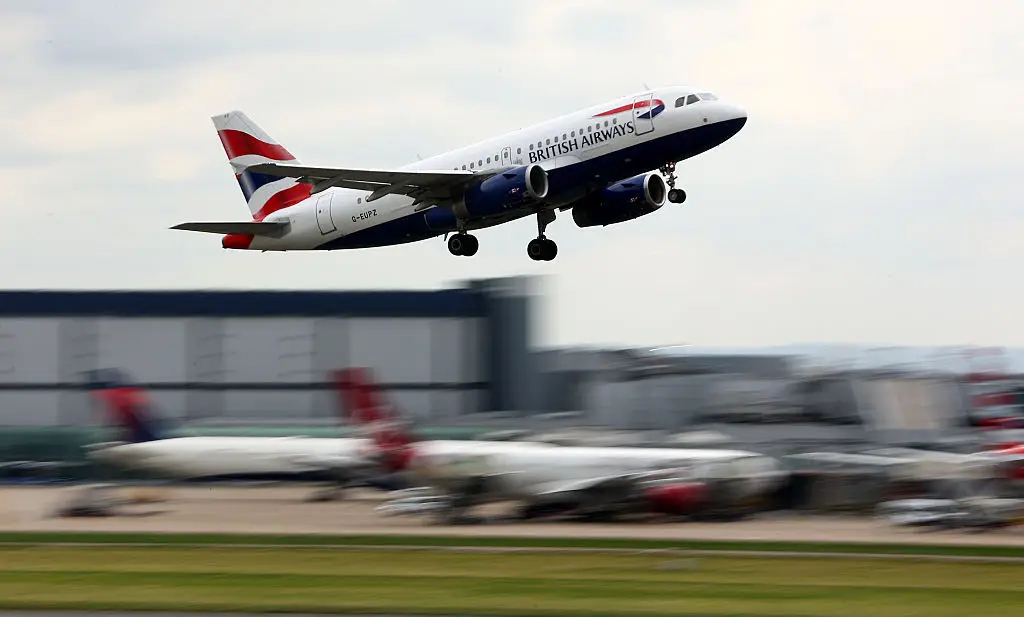
British Airways owner IAG has also moved to calm fears on Thursday, with chief executive Luis Gallego saying the group saw "no issues" with the availability of fuel. "Whilst the impact of the higher fuel price will inevitably lead to lower profit this year than we originally anticipated, we are confident in our business model and strategy, which has made us one of the best-performing airline groups in the world, and which gives us the opportunity to prove our resilience," he said in IAG's Q1 2026 results.
Though all have aired their confidence of riding the storm, it is at odds with what is happening to some airlines, both in the UK and beyond - with several ceasing operations since the US-Iran war began, two of them directly related to the rising cost of jet fuel.
British-based Ascend Airways, which supplied TUI among other companies, announced cancellation of all flights after going into administration at the start of the month, with a company insider claiming the fuel crisis had a “massive effect”. Across the Atlantic, Spirit Airlines’ collapse after 34 years of service has put up to 17,000 jobs at risk, with the company saying rising cost of fuel made it impossible to stay aloft.
Spirit’s demise was echoed by Tad DeHaven, a policy analyst at the Cato Institute, a libertarian think tank, who believes the Trump administration also bears responsibility, highlighting specifically the US President’s decision to strike Iran as “bad foreign policy,” saying the conflict drove up jet fuel prices and the airline’s operating costs.
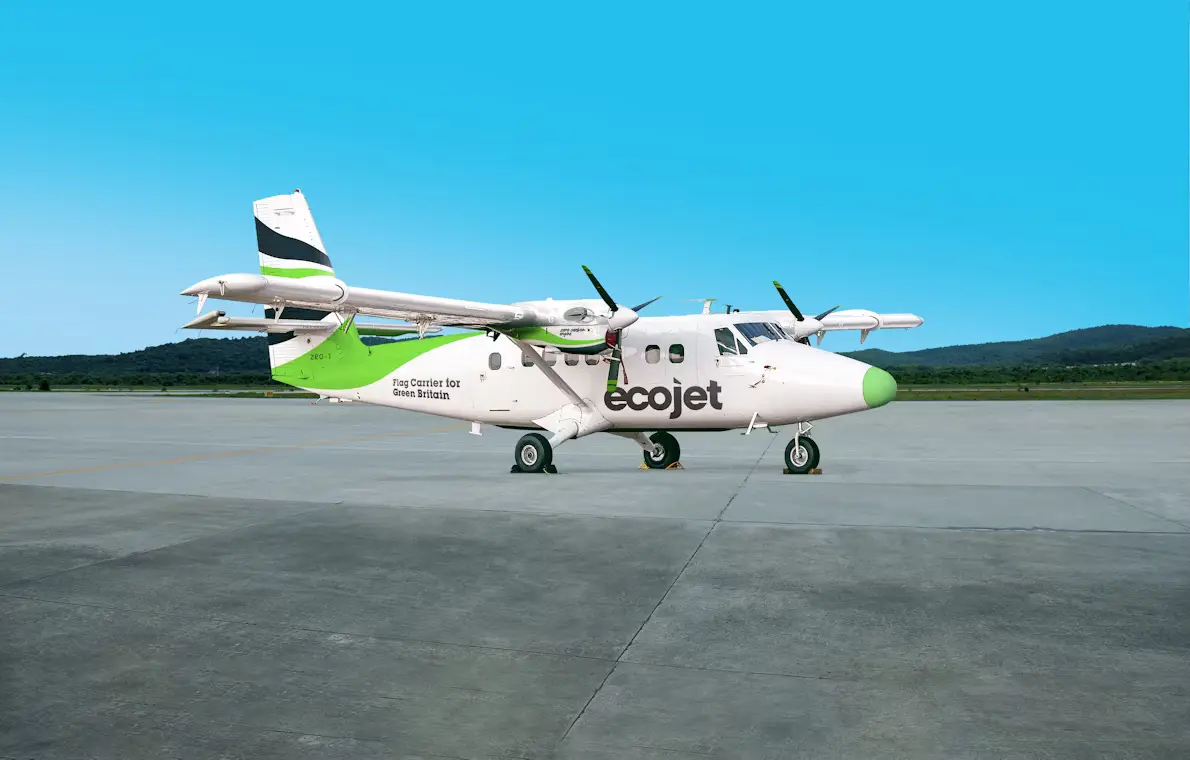
In addition to that fallen duo, other airlines have succumbed to closure which, while not directly linked to the cost of jet fuel, demonstrates the instability in the travel world at the moment. Another UK-based firm EcoJet - ironically hoping to be the first fuel-free, electric-run airline in the world - entered liquidation earlier this week without a single flight taking off since forming three years ago.
Elsewhere, German-based Lufthansa announced the closure of subsidiary carrier Lufthansa CityLine in mid-April, while Air Antilles was forced to liquidate later that month, although it had initially gone bankrupt in December 2025, months before the conflict began.
Houston-based Starflite Aviation had its license revoked in March 2026 with the FAA claiming that owners falsified pilot training records to bypass safety audits, while AlpAvia, a Slovenian charter, was shut in the same month over financial problems, although it is unclear how much the rising cost of fuel impacted that decision.
The instability of the air travel industry is at an all-time high. Tony Fernandes, owner of AirAsia, told the Financial Times that the rise in fuel prices was impacting the industry more than Covid. “I thought I’d seen it all with Covid but having seen jet fuel go up almost three times, this is much worse,” he said. “You wake up one day and your major cost has tripled, it was quite a new experience for me and I’ve been through a lot in my life.”
And while the noises from the UK’s major airlines remain robust, the impact and ripple effect of the fuel crisis is being felt both at home and abroad as holiday hopefuls keep their eye on the departure boards this summer.
What airlines have folded since the start of the US-Iran war?
Starflite Aviation: March 2026
AlpAvia: March 2026
Lufthansa CityLine: April 2026
Air Antilles: April 2026
EcoJet: May 2026
Ascend Airways: May 2026
Spirit Airlines: May 2026
 Kristian Walsh