Sir Keir Starmer announces resignation as UK Prime Minister as new leader timeline set out

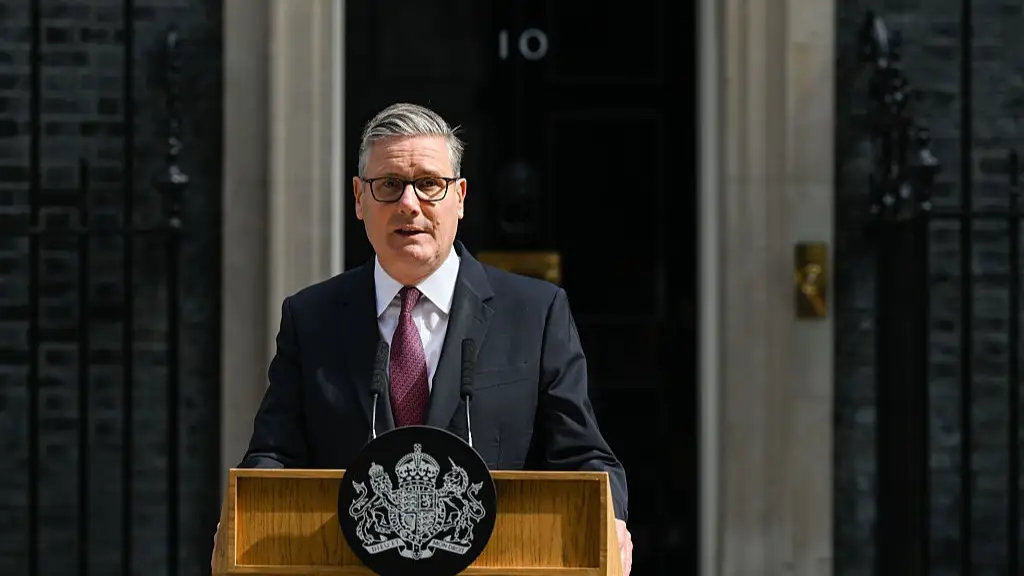
Sir Keir Starmer could be heard choking up as he stood outside Downing Street and announced he would be resigning as the UK's prime minister, less than two years after he won a significant majority at the last general election.
His resignation triggers a leadership contest in the Labour Party, the winner of which gets to become the UK's seventh prime minister in a decade.
Addressing the nation, Starmer said becoming prime minister two years ago had been the 'proudest moment of his life' and talked about the 'hard work of change', listing off some of the achievements of his government in the time since then.
But the PM then announced that he would be stepping down, paving the way for someone else to become prime minister.
Advert
He said: "The question my party is asking now is whether I am best placed to lead us into the next general election.
"That is why I will resign as leader of the Labour Party."
Nominations will open on 9 July and Starmer said it would be 'completed before the summer recess', saying a new prime minister would be in place before parliament returned in September. It means Starmer would still be PM if England were to win the World Cup - how about that bank holiday then?
Starmer will remain as prime minister until his replacement is chosen, and has said he will support whoever the party chooses to replace him.
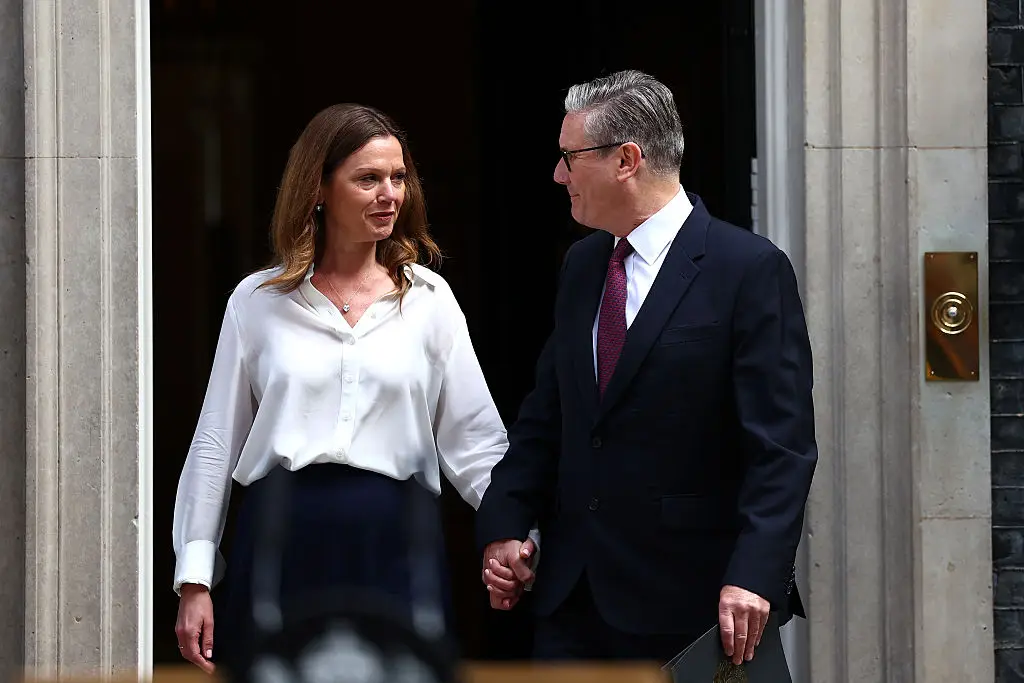
It was when he paid tribute to his wife, Victoria, and thanked her for being by his side that he became visibly and audibly emotional.
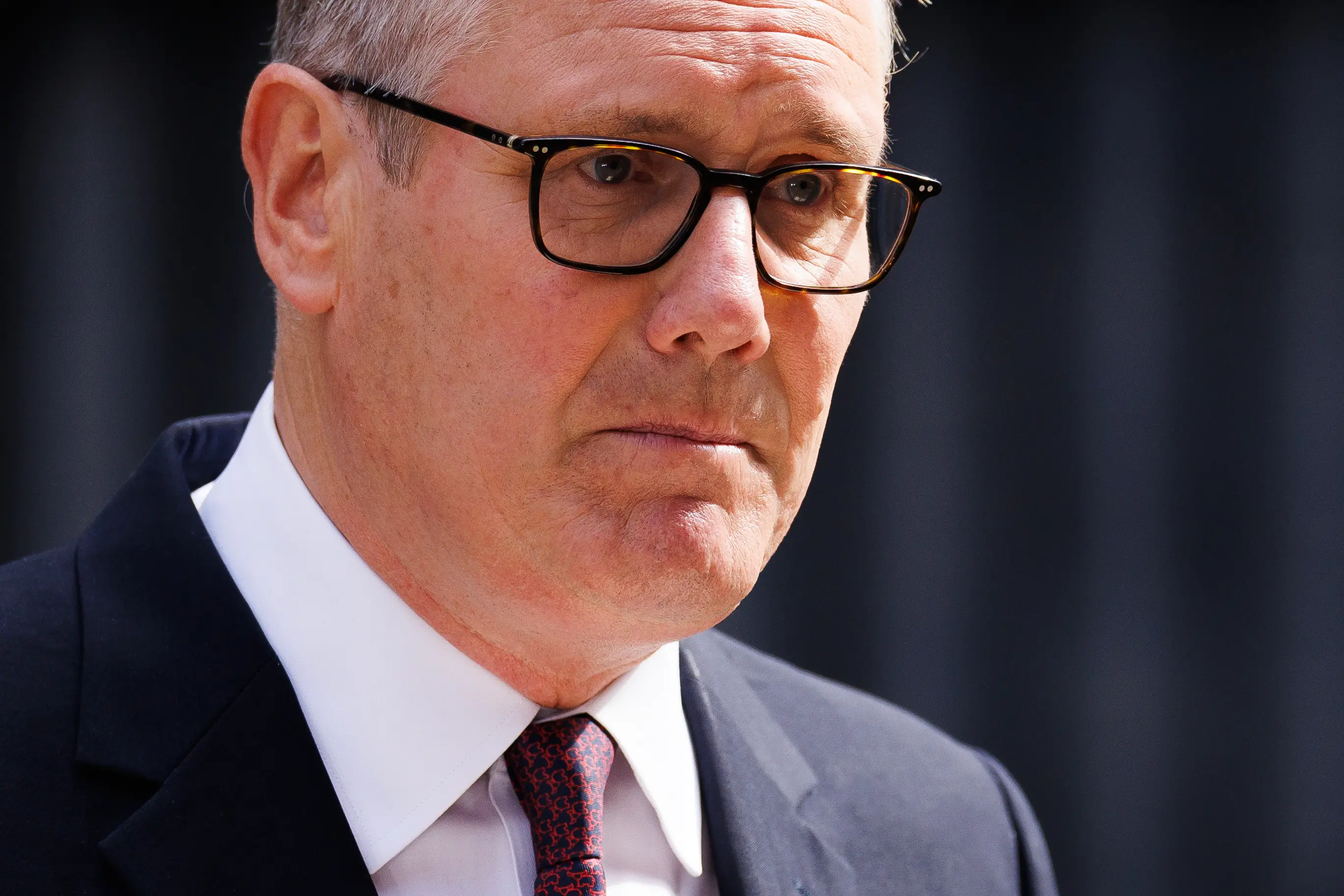
Speaking of some of his achievements as Labour leader and prime minister, he said: "Walking up this street two years ago was the proudest moment of my life, a new Labour government, the first in 14 years, a page in our country’s history turned after years of disappointment and despair, the chance to change the lives of millions of people for the better, that’s what I came into politics for the journey to that point was not easy.
"Six years ago, I inherited a Labour Party that was politically, financially, and morally bankrupt.
"I was told time and time again that my party was finished, that we were consigned to history, that a majority at the general election, let alone a landslide majority, was impossible, but we proved those people wrong, because we changed our party, ripping out the poison of antisemitism, restoring trust on the economy, defence, and national security, and becoming a party that once again stood proudly with, not against, our national flag."
The writing had been on the wall for Starmer for some time.

He became prime minister in the summer of 2024 as his Labour Party won a general election that gave them more than half the seats in the House of Commons on around a third of the public vote.
However, it wasn't long before plenty of that chunk of the electorate who voted for him decided they'd rather their support went somewhere else and Labour slipped behind in the polls, while Starmer's personal popularity ratings plummeted.
There had been plenty of murmurings that a change of leadership might revive the party's fortunes, and the idea of heading into the next election with such an unpopular leader meant pressure on him to depart was always likely.
The disastrous results of the recent local elections sparked threats of a leadership contest, with Health Secretary Wes Streeting resigning and calling on Starmer to quit.
It turned out Streeting didn't have clout as he might have expected, as a possible rebellion and challenge from Streeting's camp failed to materialise.
Instead, eyes turned to Mayor of Greater Manchester Andy Burnham, Labour's most popular politician, possibly by virtue of having spent the past decade not being in Westminster.
Not being in Westminster also meant he couldn't run for the leadership, as Labour requires you to be an MP to do that, but when Labour MP Josh Simons last month resigned from his Makerfield seat it offered Burnham a way back in.
Burnham's recent by-election victory means he's back in the House of Commons and the pressure on Starmer to go intensified significantly.
Despite having said he planned to stay on and fight for his leadership position, Starmer's resignation indicates he's decided this is a fight he can't win and is better off not dragging it out.
Will there be a general election?
While Starmer may be going, the party he led from opposition to government remains in power.
If you've been paying attention to the last few years of British politics, you'll know there's no obligation for a prime minister who gets into Downing Street off the back of a leadership contest instead of a general election to go to the country.
Whoever replaces him does not need to call a general election.
Theresa May, Boris Johnson, Liz Truss and Rishi Sunak did not call general elections immediately upon getting into Downing Street.
David Cameron is the last UK prime minister who has completed their elected term of office, between 2010 and 2015.
The last prime minister who won a general election and then left office after losing one was John Major in 1997, but you have to go all the way back to 1974 and Ted Heath to find the most recent British PM who entered and left Downing Street due to votes cast by the public.
How does a Labour leadership contest work?
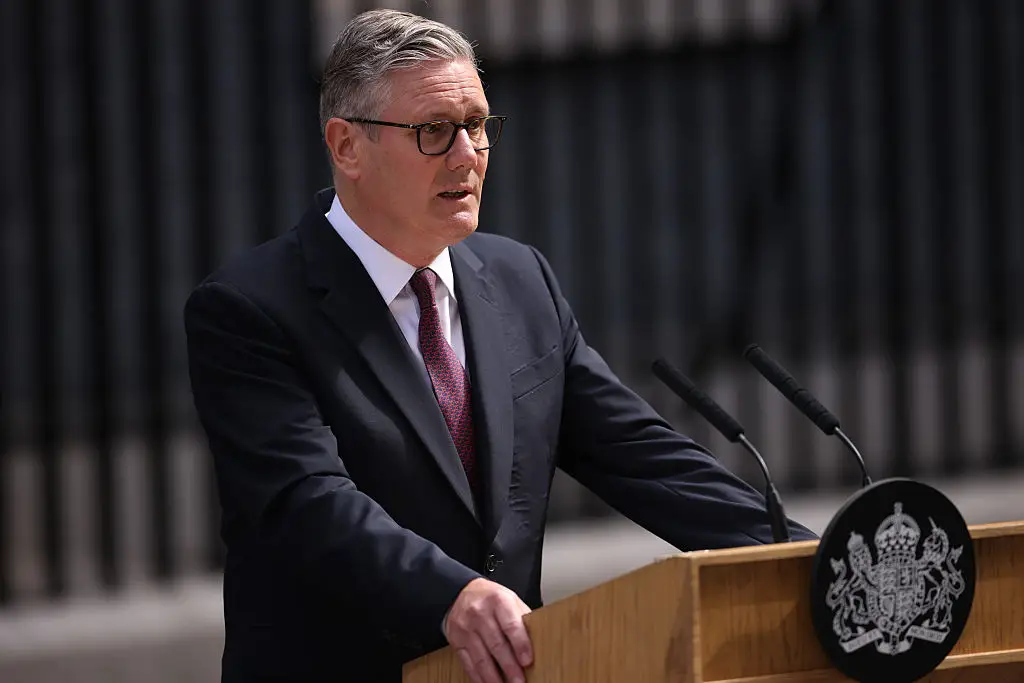
When there is a challenge against the Labour leader, they are typically on the ballot and get to contest things against potential challengers, but with Starmer resigning, he won't be among the options.
Any challenger needs at least 20 percent of the MPs to launch their own challenge, meaning any contender needs 81.
Labour MPs who get this level of support from within their party get to go through to a vote where party members and affiliated supporters decide who will be the next party leader.
In this case, it also means they'll pick the next prime minister.
Who could stand in a contest?
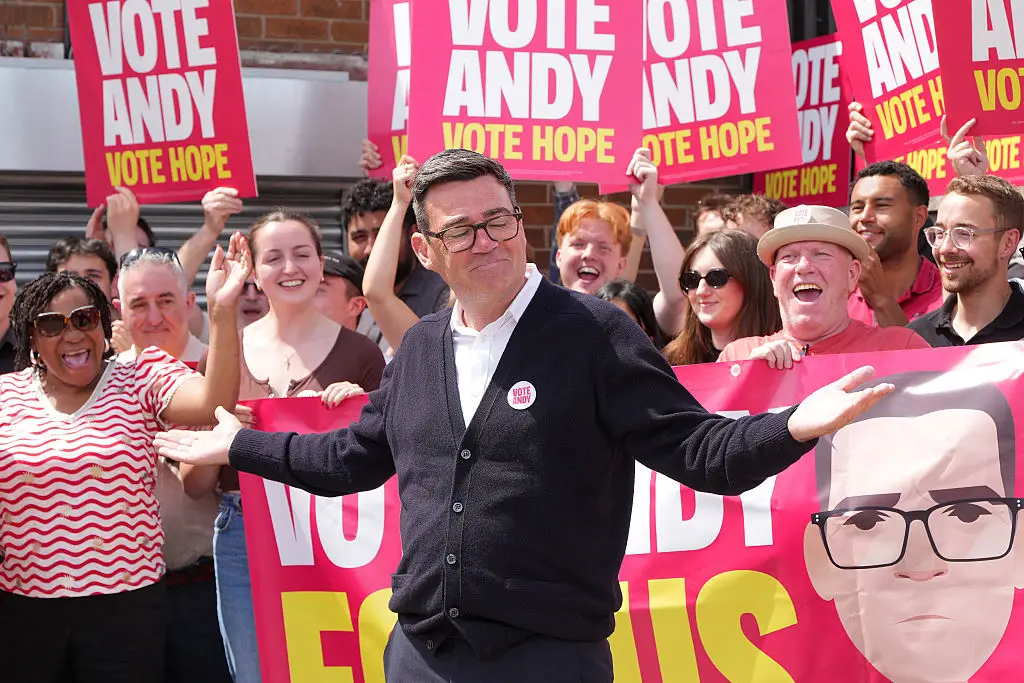
Burnham’s decision to stand in the Makerfield by-election – giving up the Greater Manchester mayoralty to become an MP – suggests he believes he has the necessary backing from the parliamentary party to get onto the ballot.
Former health secretary Streeting has repeatedly insisted he has the 81 names required to mount a leadership bid, and has spent the weeks since his resignation setting out his stall.
Former Royal Marines officer Al Carns, who quit as armed forces minister in a row over defence funding and the treatment of Northern Ireland veterans, has also hinted he would seek to enter a leadership race, although it is unclear whether he has the supporters needed to get on the ballot paper.
Topics: UK News, Politics, Keir Starmer
 Joe Harker