All of these food items will get more expensive when Super El Nino hits, experts warn

Here is how the predicted 'Super El Niño' could impact your wallet and shopping trolley, according to experts.
In the past few weeks, you may have seen news reports discussing the prospect of a 'super' or 'godzilla' El Niño heading our way in the coming months and wondered how it will impact day-to-day life.
Here's what you need to know.
What is an El Niño – and what makes it 'super'?
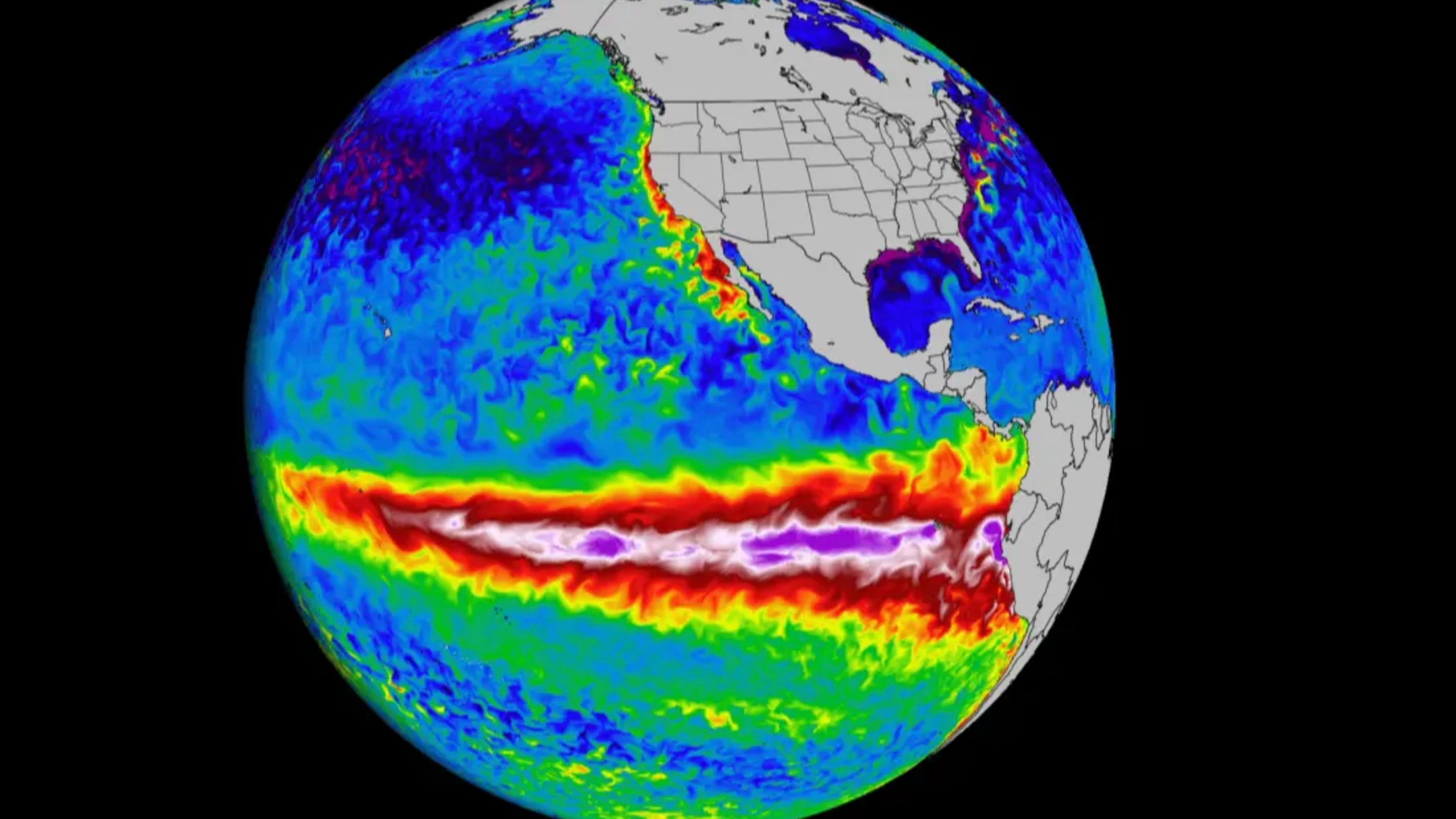
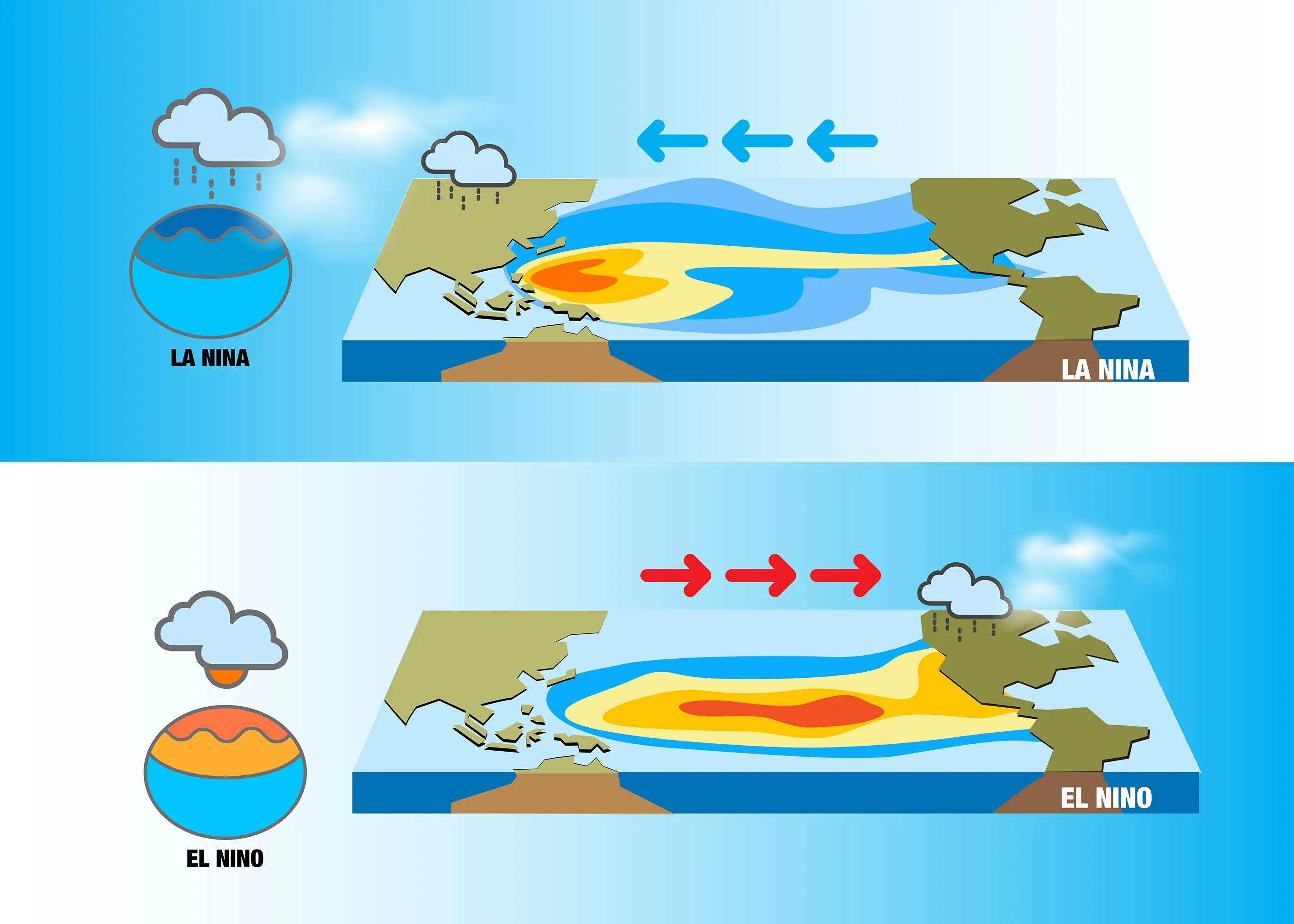
An El Niño is a weather phenomenon which occurs when ocean temperatures in the central and eastern tropical Pacific become unusually warm.
This leads to a knock-on effect on the wider climate, weakening trade winds and allowing warmer air to push eastward.
Advert
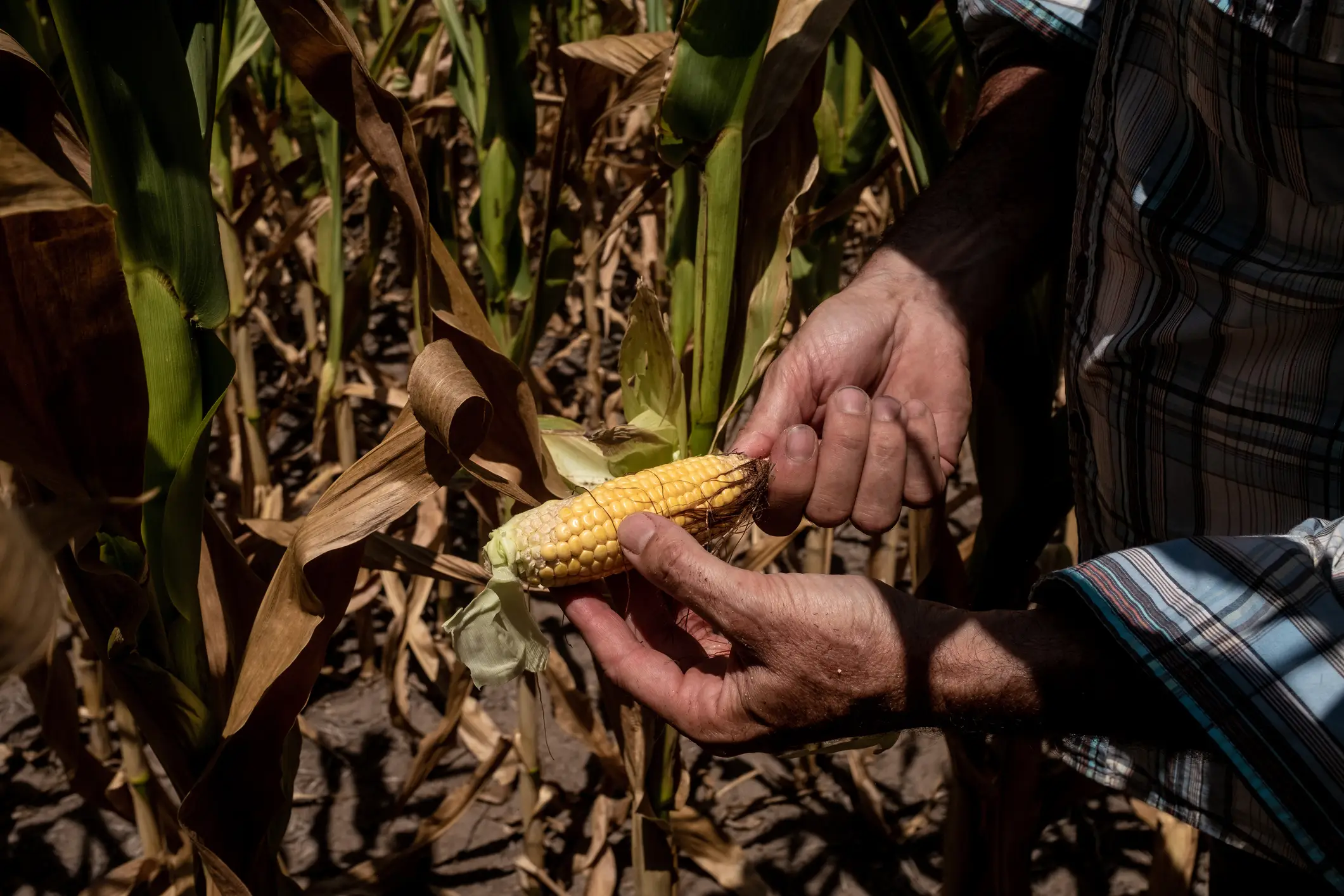
Now this may not sound like much, but the change in atmosphere influences global weather patterns, causing heavy rains in some regions and severe droughts in others.
The year following an El Niño is also impacted, with temperatures being higher on average across the year.
An El Niño and the reverse La Niña occur every two to seven years, with the last El Niño happening in 2023.
So what's a Super El Niño?
Technically, there is no such thing as a 'super' El Niño, with Met Office spokesperson Nicky Maxey previously telling LADbible that a Super El Niño is a non-scientific way of describing a particularly strong event.
How will an El Niño event impact global food chains?
So, how do atmospheric changes over the tropical Pacific impact global food chains?
The answer to that is, because the weather and the foods we put in our mouths are heavily connected.
For us in the UK, who aren't in the 'direct path' of El Niño, it will most likely impact our supply chains, with Jim Dale, founder of British Weather Services, telling The Mirror that every day household items could end up increasing in price.
Which is exactly what we all don't want to hear, given the ongoing rise in the cost of living.
"The knock-on effects, as far as life is concerned, ecosystem life, that isn't just humans, but it's also wildlife and other things, is likely to be huge, potentially huge," he said.
"Everything from bananas to coffee, sugar, tea, cocoa, all of those are going to be under pressure going forward.
Given the fact that the UK imports around 48 percent of its food (per Global Food Security statistics), this is bad news for the availability of items such as food and vegetables.
Going on to reference food shortages in 2023, during the last El Niño event, he continued: "You can expect shelves of various products, particularly fruit, veg and other items, either to be sky-high prices or not available at all into the future.
"That may take six months to happen, but nonetheless it still has to be factored in."
Even food items that aren't imported are likely to be affected, with Gemma Hoskins, UK director for Mighty Earth, telling The Grocer about how the last El Niño severely damaged soy production in Brazil, leading to an inflation in poultry prices.
"With soy harvests expected to be down, prices for animal feed will go up, with costs pushed to consumers," she explained.
Topics: Environment, Food And Drink, Weather, World News, El Niño
 Brenna Cooper