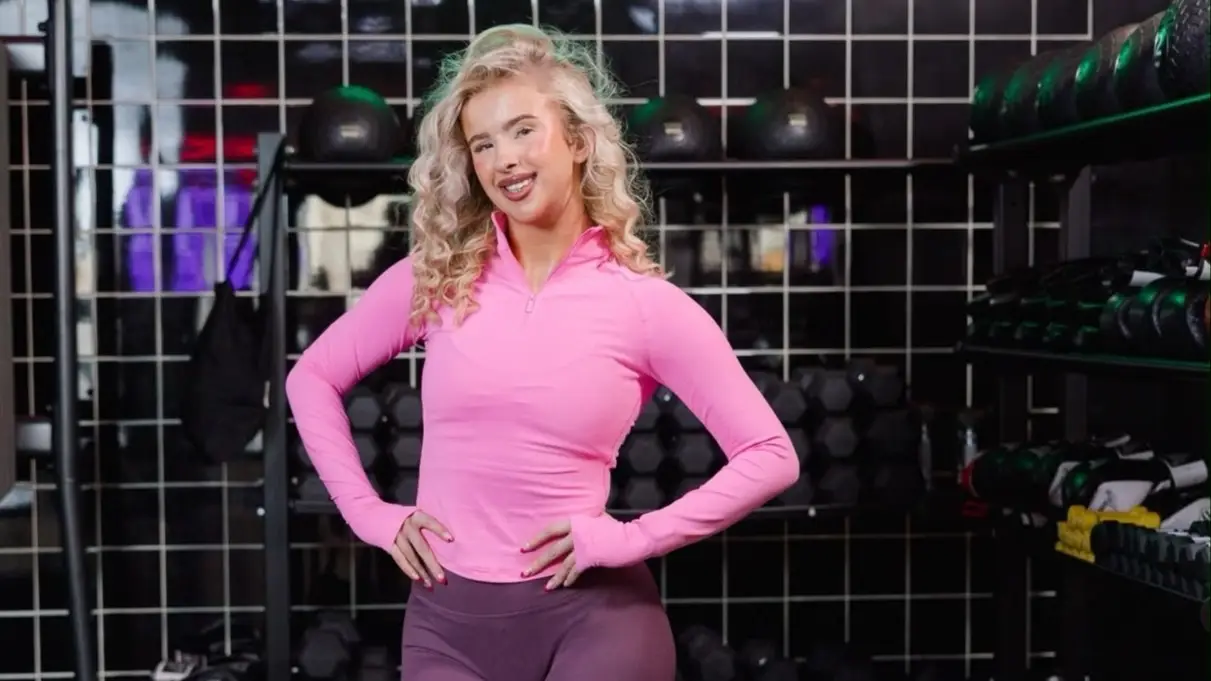
Woman born with half a heart shocks doctors by outliving life expectancy by 15 years

A woman born with only half a functioning heart has defied doctors who said she may not make it past her twenties.
Amy Roberts' mum and dad had a decision to make when she was born with a rare congenital heart condition called double inlet left ventricle (DILV) with transposition of the great arteries (TGA).
It essentially means that the 25-year-old from Greater Manchester has only one functional pumping chamber (the left ventricle), into which both heart valves empty blood, the major blood vessels leaving the heart are also switched in position.
According to the NHS, the rare condition is usually fatal in the first weeks of life.
Advert
They were advised to terminate the pregnancy, but instead chose to give their daughter every possible chance at life.
“My mum and dad were like, 'Yeah, it's fine. Let's give her the chance', obviously big props to them that they did that,” she tells LADbible.
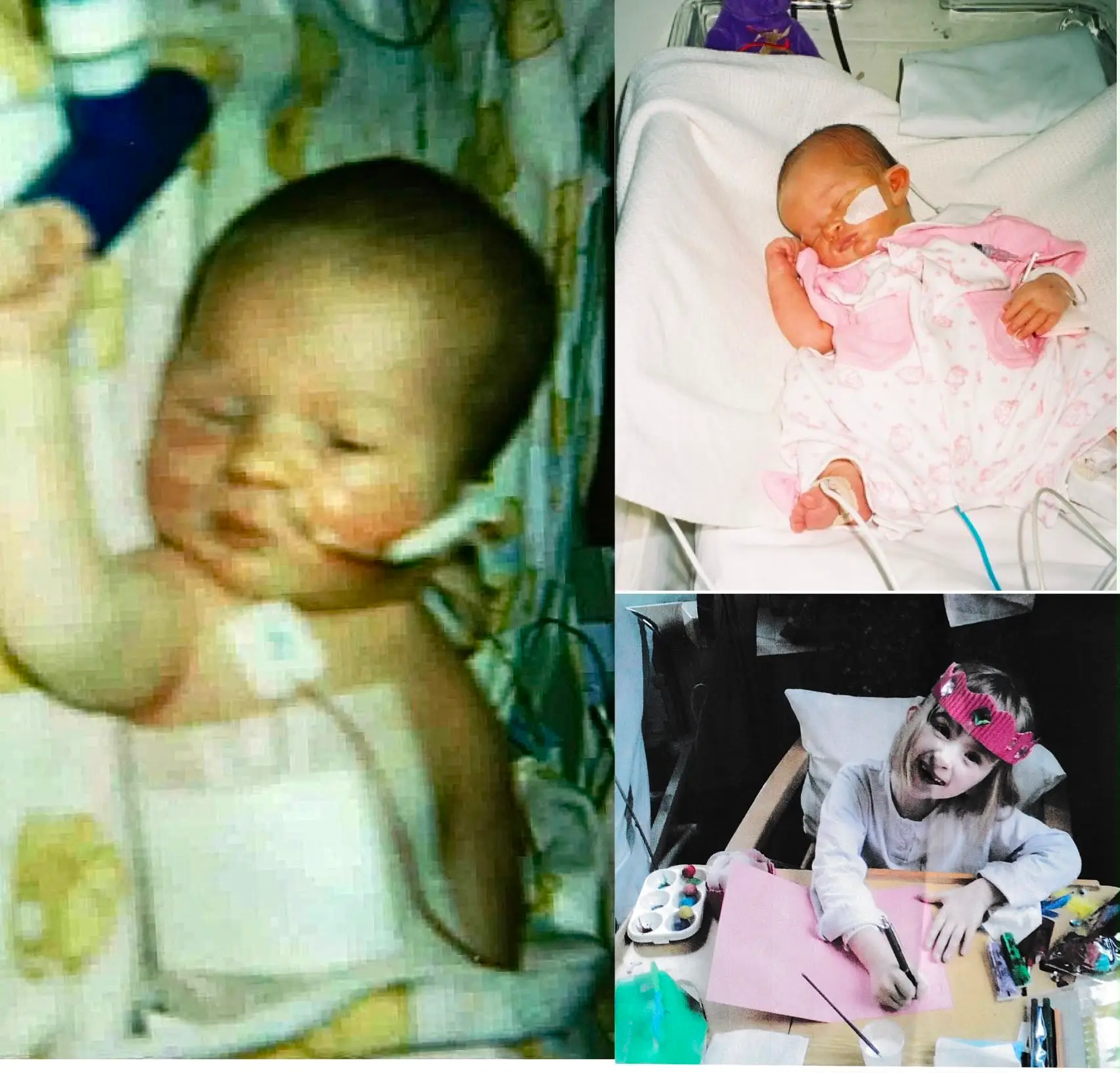
And her first few moments in the world were spent trying to desperately save her life.
"When I was born, my mum was given like a few seconds of skin contact and then it was straight in a ventilator because if they hadn't done that I just wouldn't have survived," Amy explains.
"I had three lots of open heart surgeries. My first one was when I was five days old, then one when I was two years old and then one when I was seven years old."
"And in between all of that was appointments, recovery from open heart surgery, so my childhood was a lot of it was in hospital and then the other half, when I was not in hospital, was recovery."
She adds: "I don't know anybody older than me with my condition that's not had a heart transplant or isn't dead."
How Amy pushed forward her life expectancy
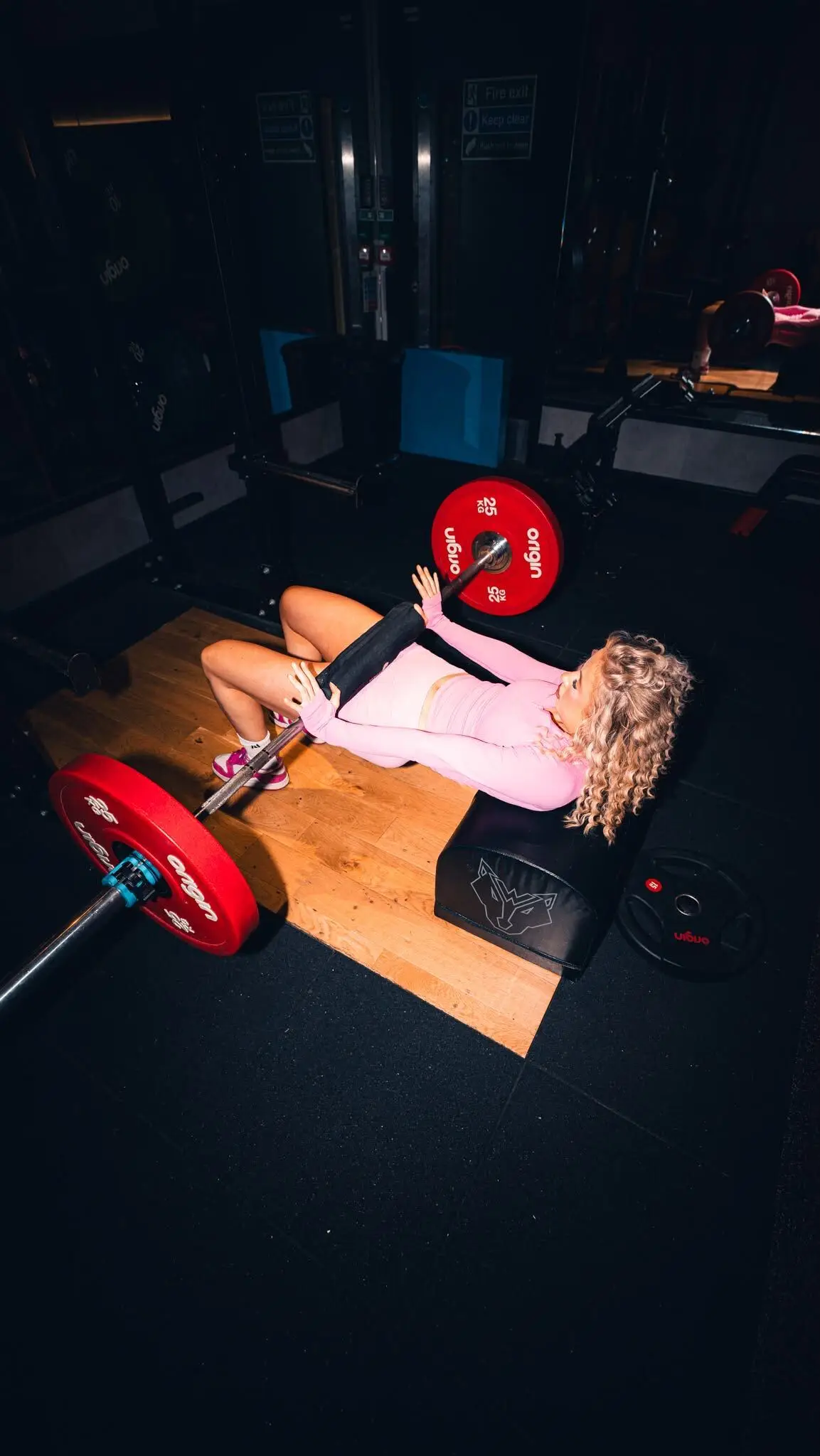
Years before becoming a personal trainer in Worsley, Amy said she would get out of breath by walking up the stairs.
“And obviously my heart condition was doing that. It sort of just dawned on me. I was like, 'I actually can't live like this. This is really, really bad’, she recalls.
At 18 years old, Amy went against the advice of her cardiologist and started to do some light exercise in her bedroom.
“I started off with resistance bands and really light dumbbells – you're talking about two kilos – in the spare room. My cardiologists, again, they were a bit like, 'Amy, we don't do that'. And I was like, 'What evidence have you got?' Because I only had a 20 percent chance of survival... there's not enough research to suggest that I actually can't do that,” she explains.

“At the start I'd do like a set of 12 squats and I'd have to sit down for like five minutes, but I just stayed consistent with it and then it just got better over time.
“When I was 21 my cardiologist called me and she was like, 'Your heart is doing the opposite to what normally happens... your heart at 21 is outperforming your heart at 18'. I knew that obviously it was because I'd been going to the gym.
Doctors originally expected Amy would need a heart transplant in her late teens or early 20s, but after a few years of strength training they now believe she may not need one until her late 30s or early 40s, delaying it by around 15 years.
Her lifespan will depend on the success of the transplant and future medical advances.
Amy’s current gym routine
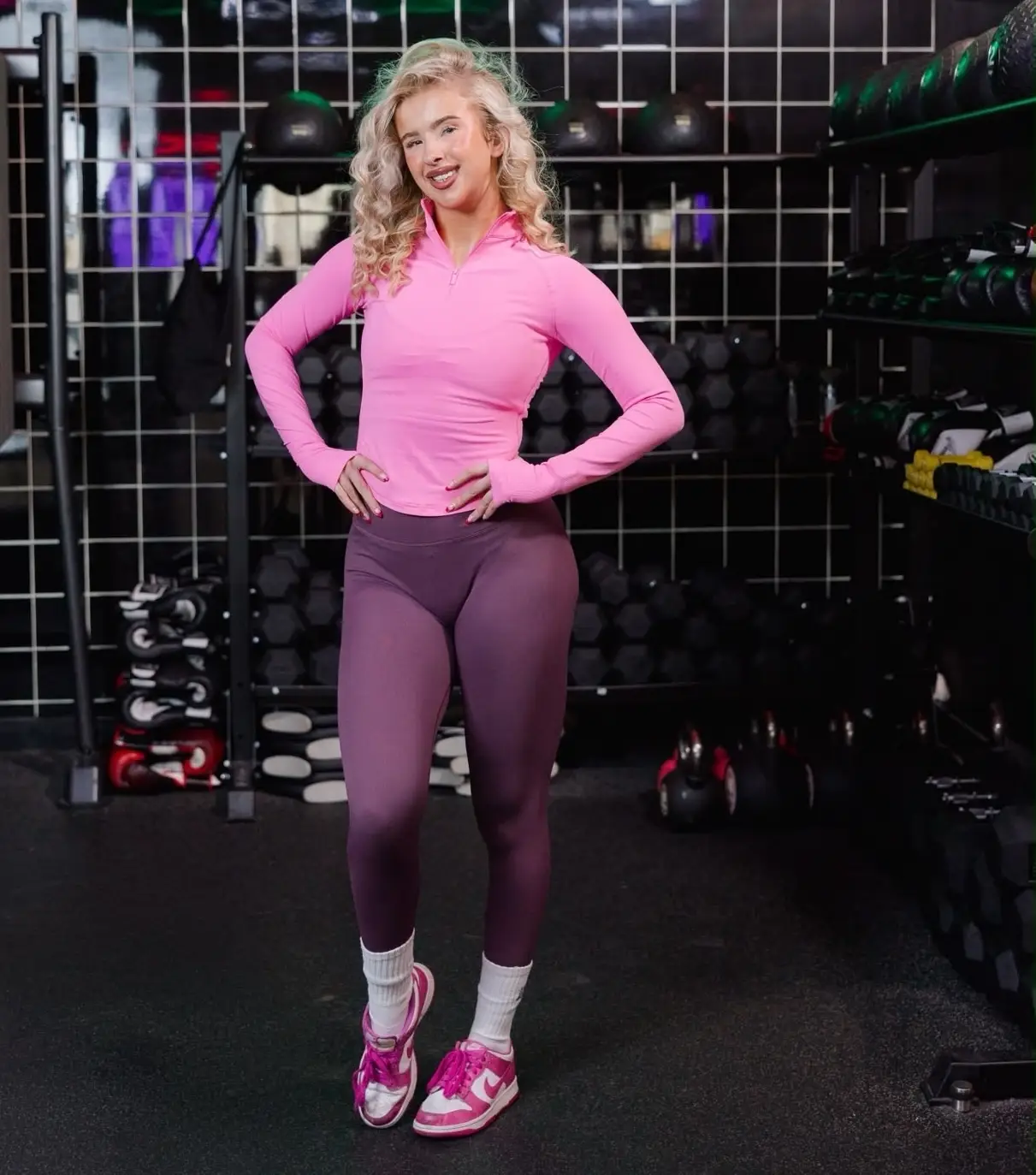
Having now worked as a personal trainer for three years, Amy knows what her body can and can’t do.
Despite only having half of a functioning heart, she does strength and resistance training four times a week, including one pilates-style fitness class.
According to the Heart Foundation, weight lifting and gym workouts significantly improve heart health. Regular resistance training lowers blood pressure, improves cholesterol, enhances blood sugar control and reduces the risk of heart attacks and strokes.
Amy can safely do slow, steady-state cardio, like the StairMaster or incline treadmill, but avoids running because it causes her heart rate to spike.
“If I get to about 160, 165, then I'm like, 'Okay, actually, just sit down', because you don't want to push it any higher because then you will just go into cardiac arrest,” she adds.
‘The gym should just be something that's part of your life’
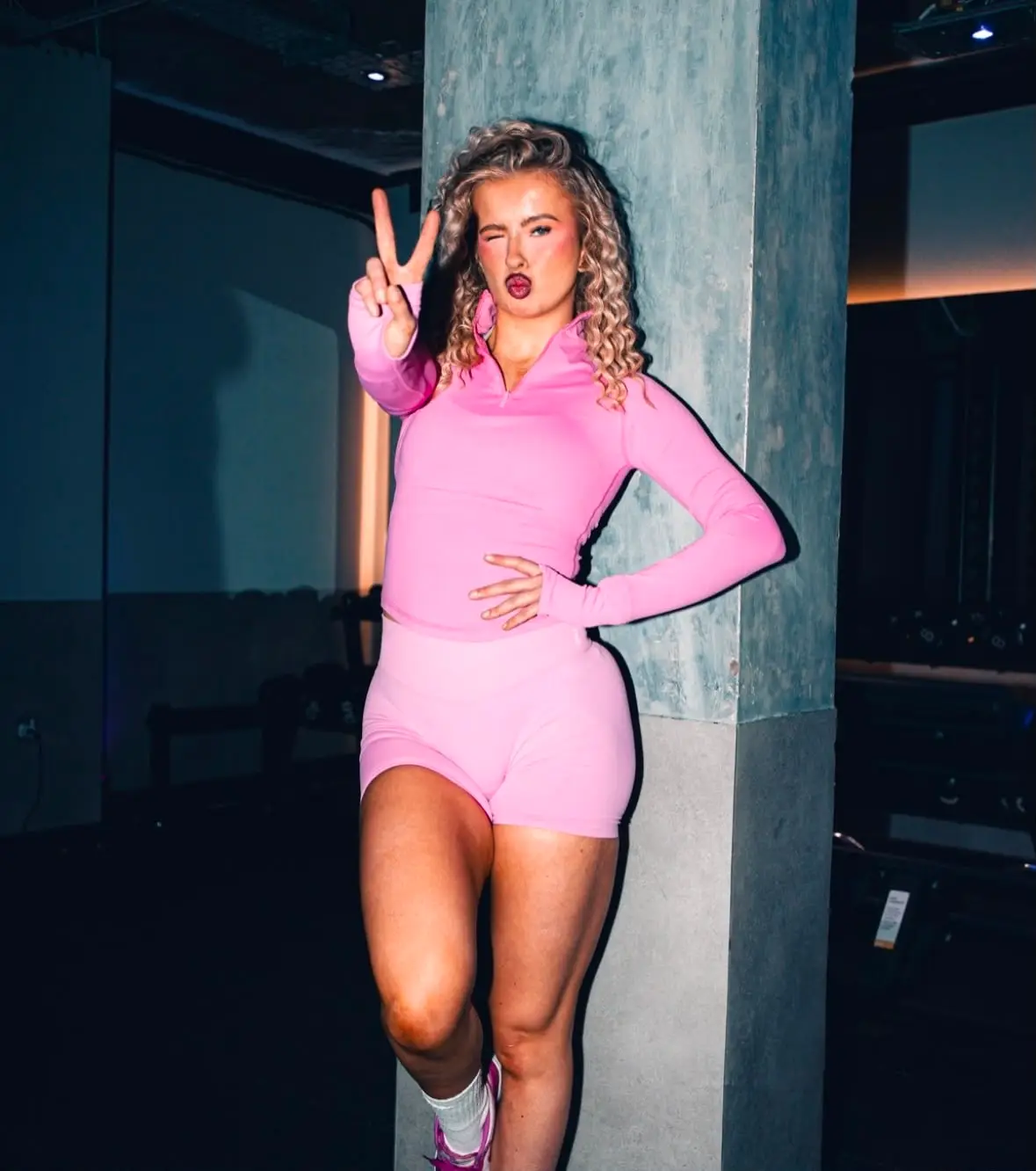
Amy has found that the main reason people fail to reach their goals in the gym is all because of ‘mindset’.
“They just go in with this complete wrong mindset. It's an all-or-nothing thing for them... they'll be like, 'I've got six weeks to my holiday,' so they'll smash out their gym membership... but they don't learn any of the habits. They don't learn anything that's sustainable,” she explained.
“It's not even about an aesthetic... it's actually just about your actual physical health, your medical health.
“Not everybody needs to train and eat like a bodybuilder, but just by going to the gym two or three times a week, getting a bit of movement in and eating 80 percent good food, 20 percent the food that we like to eat... honestly, you just change your life.
“You can delay so many medical conditions just by going to the gym.”
'Cardiac rehab programming needs to change'
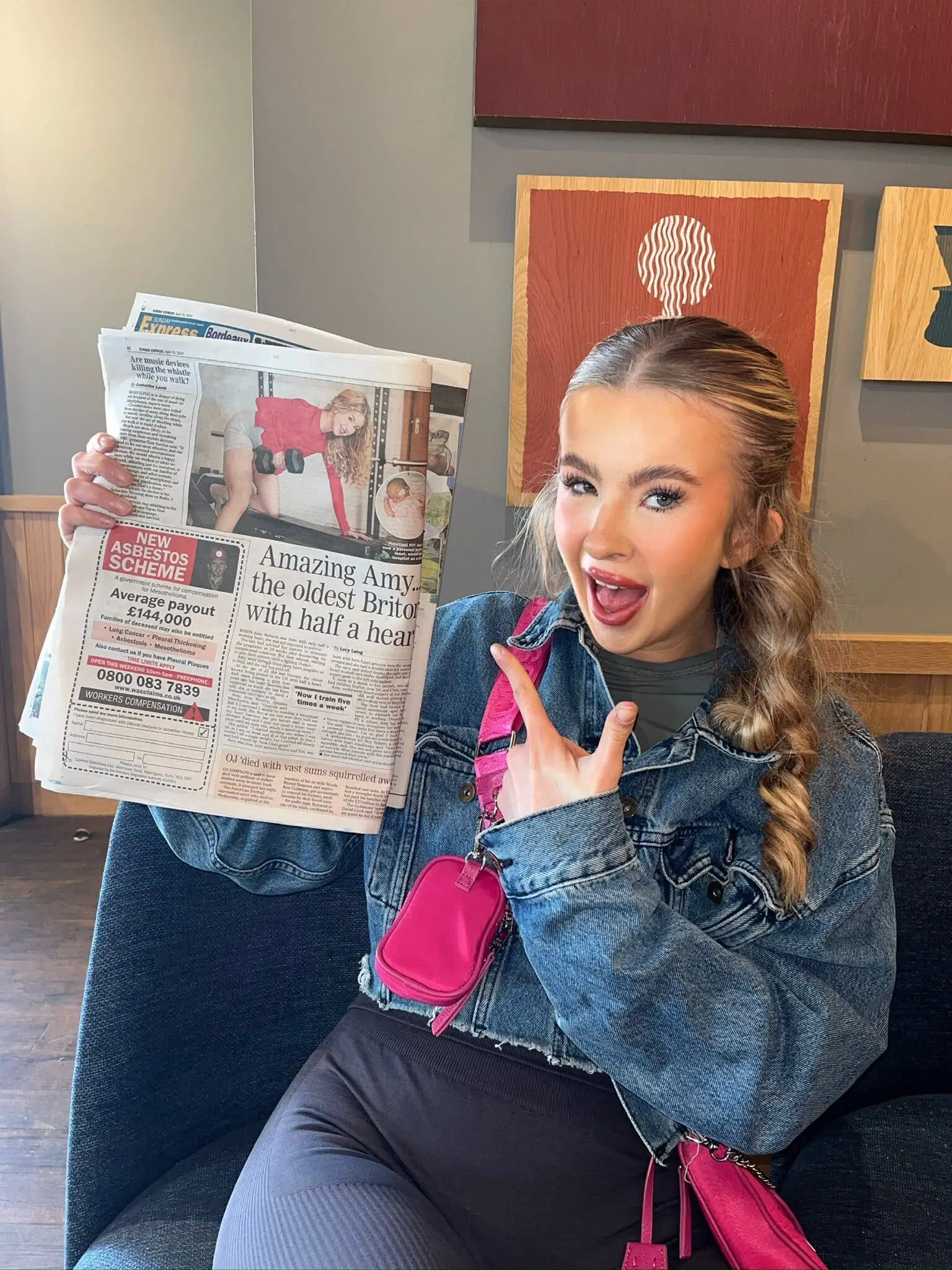
Amy's long-term goal is to go into cardiac care and work with people with heart conditions.
“Our cardiac rehab system at the moment is not correct... or I believe it's not the best it could be,” she said.
“Cardiac rehab programming needs to change. It needs to be very person-to-person dependent.
“If we can get more evidence together, we can get more people looking after their health in the gym. It puts so much less strain on the NHS as well.
“I always say to my cardiologist, if you ever need anything from me, like you want me to come and do anything, let me know.
“If I can continue pushing my heart transplant back as well, we don't know where medical science could be in 15 years.”
 Anish Vij